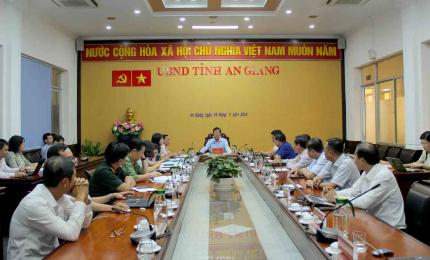
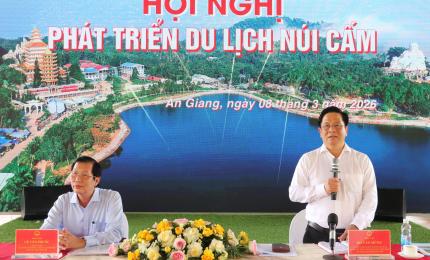
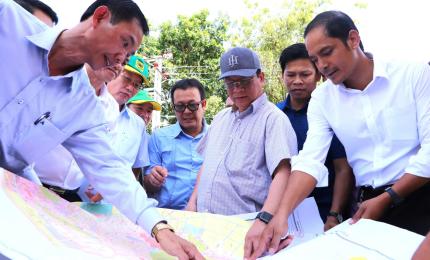
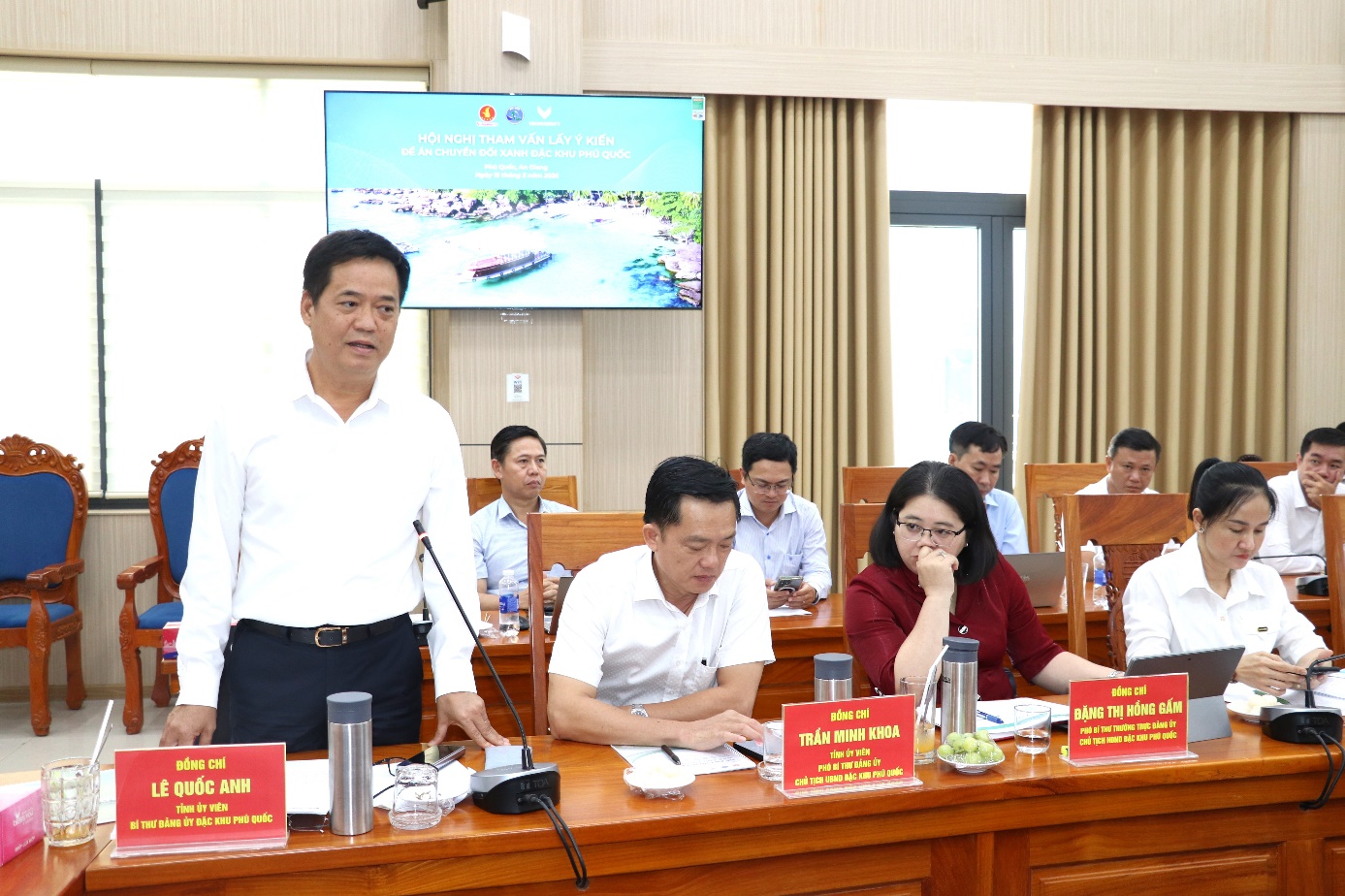
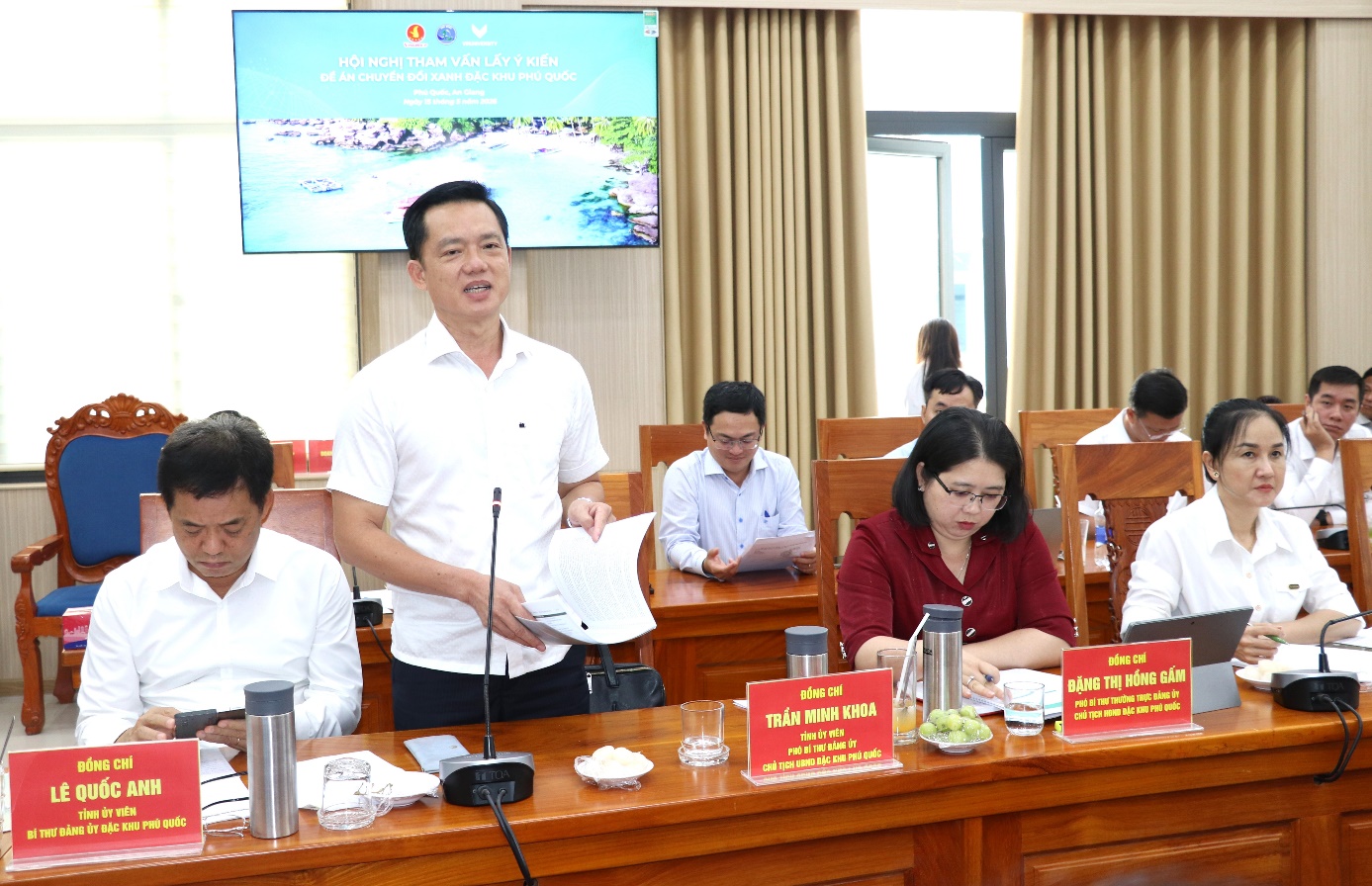
(AG Provincial E-Portal) - On May 15, Ho Van Mung, Member of the Party Central Committee, Deputy Secretary of the Provincial Party Committee, and Chairman of the Provincial People's Committee, attended and directed the consultation conference on the Phú Quốc Special Zone Green Transition Project for the 2026-2035 period, with a vision to 2050.
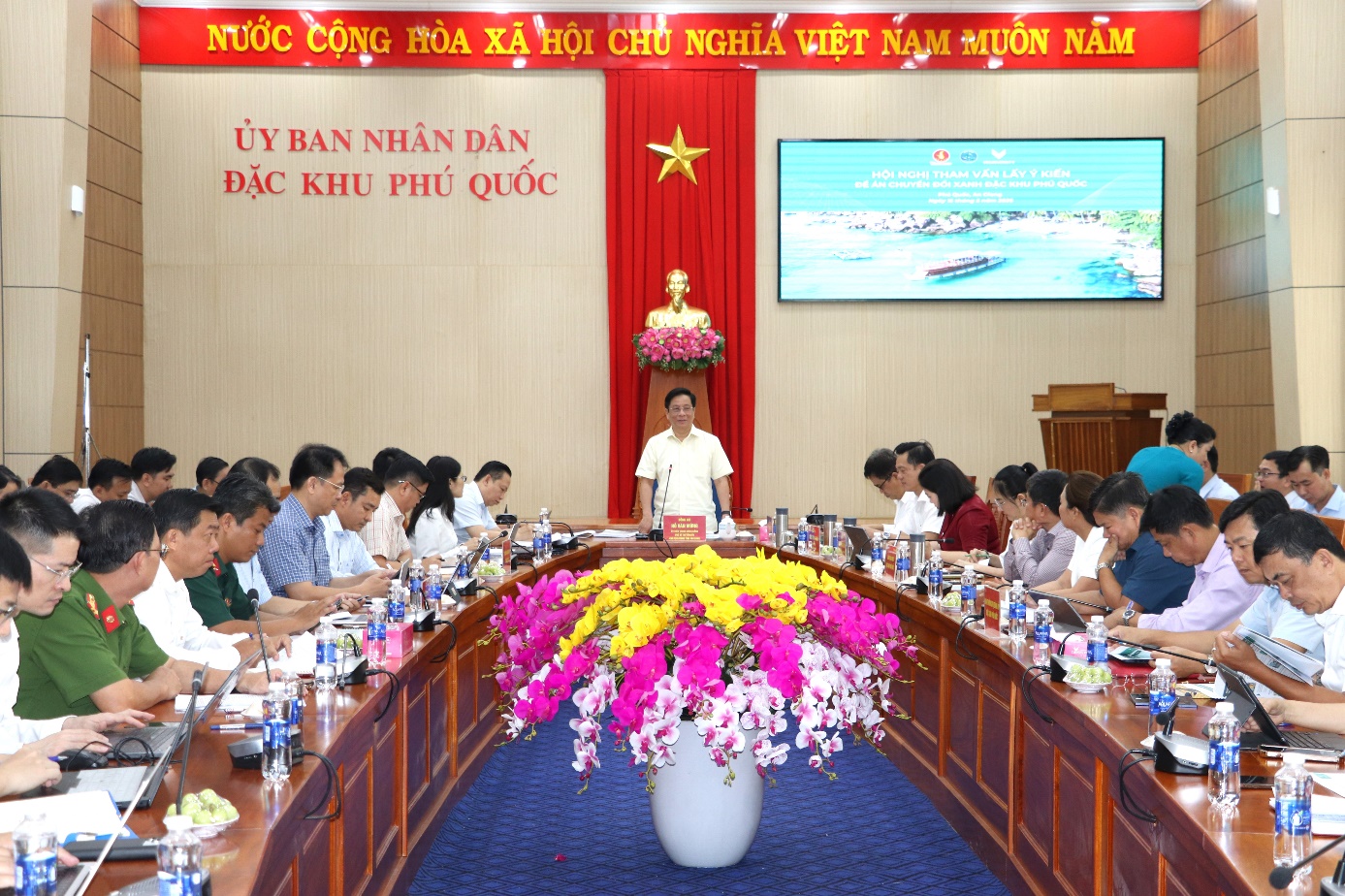
The 'Pearl Island' Sustainable Development Conference
Speaking at the conference, Chairman of the Provincial People's Committee Ho Van Mung emphasized that implementing the green transition is not only a global trend but also an inevitable and urgent requirement to protect and promote the value of the "Pearl Island." The Green Transition Project demonstrates a strong commitment to creating special, long-term value and ensuring sustainable development for Phu Quoc.
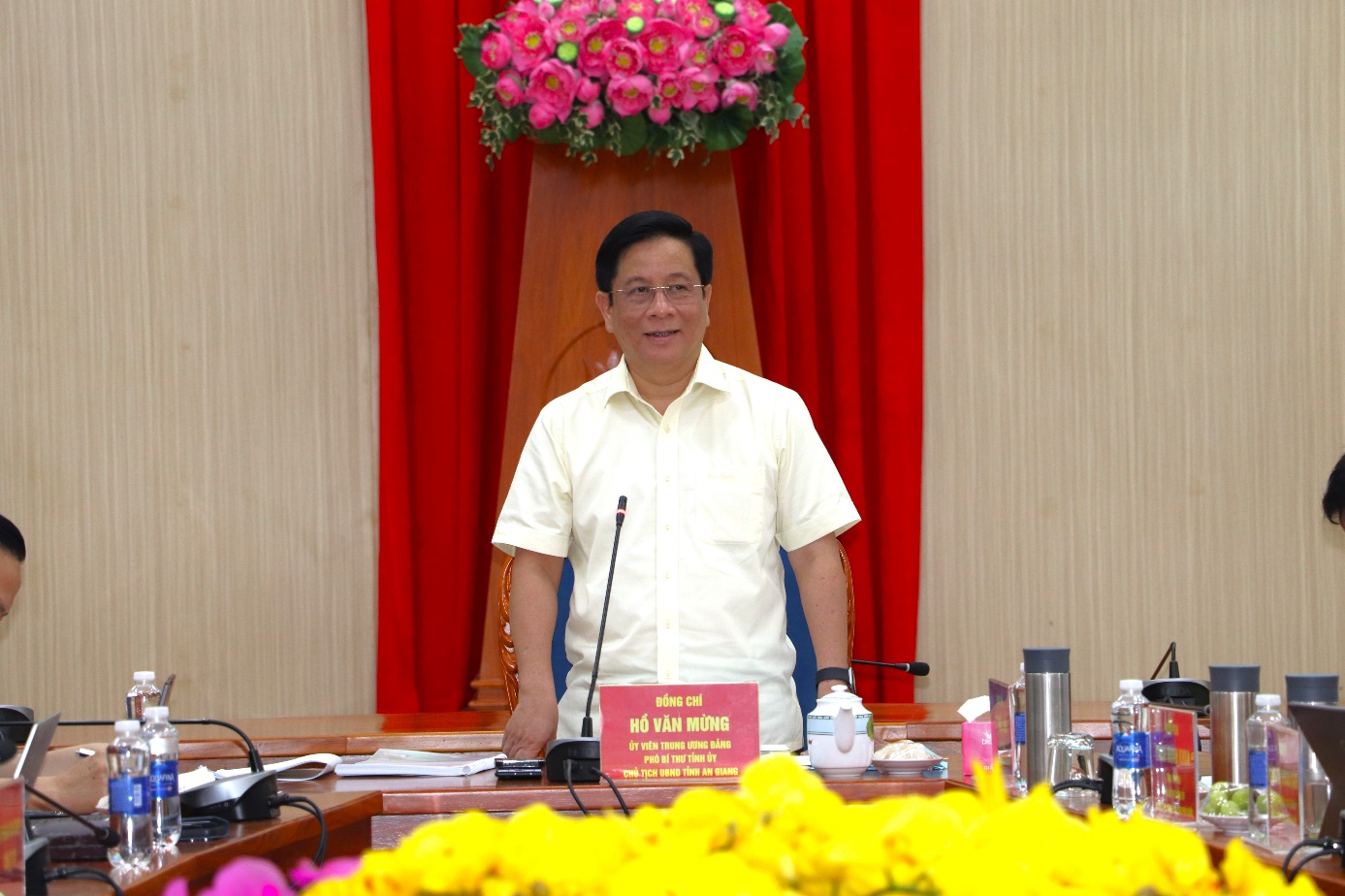
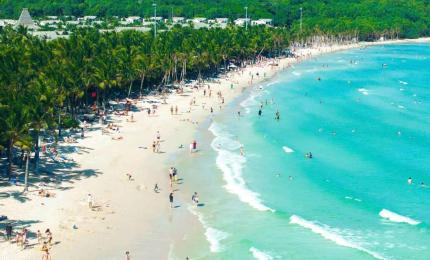
According to Chairman of the Provincial People's Committee Ho Van Mung, Phu Quoc has long been known as the "Pearl Island." The task of the government and the people is to preserve it and make this "pearl" shine brighter, ensuring it does not dim in the process of development. The Phu Quoc Special Zone Green Transition Project is not merely a campaign or an action program of the province, but will serve as an important legal framework to guide and regulate future development plans for Phu Quoc.
Chairman of the Provincial People's Committee Hồ Văn Mừng requested that the Phu Quoc Special Zone coordinate with the consulting unit to finalize the project, incorporate feedback, and make adjustments in line with the “6 clear” principle, following a specific roadmap. The goal is to complete the project in May, and in June the Phu Quoc Special Zone People's Committee will finalize the process and submit it to the Provincial People's Committee for approval.
The Chairman of the Provincial People's Committee generally agreed with the 7 solutions outlined in the project. However, the project needs to clarify the resources, policy mechanisms, and overall assessment of energy demand. It should also specify legal regulations to concretize the green transition, especially policies on environment and construction.
The Department of Construction and the Phu Quoc Special Zone are assigned to coordinate and immediately update the zoning plan; develop architectural management regulations; and promptly address environmental and urban order issues. In June, the Department of Construction and the Department of Agriculture and Environment will advise the Provincial People's Committee on issuing construction regulations and environmental regulations for the Phu Quoc Special Zone.
In addition, it is crucial to accelerate the implementation of green certification and green transportation. The People's Committee of the Phu Quoc Special Zone will develop a plan to implement the project…
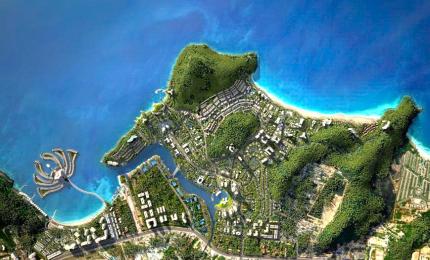
According to the consulting unit, the Phu Quoc Special Zone Green Transition Project for the 2026-2035 period, with a vision to 2050, aims to develop Phú Quốc into a green island and a smart, livable island city. It is to become a regional and international hub for high-quality eco-tourism, services, resorts, and marine economy.
Phu Quoc aims for a development model based on the green economy, circular economy, and low emissions; the conservation of forest-marine-coastal ecosystems; climate change adaptation; and data-driven urban management.
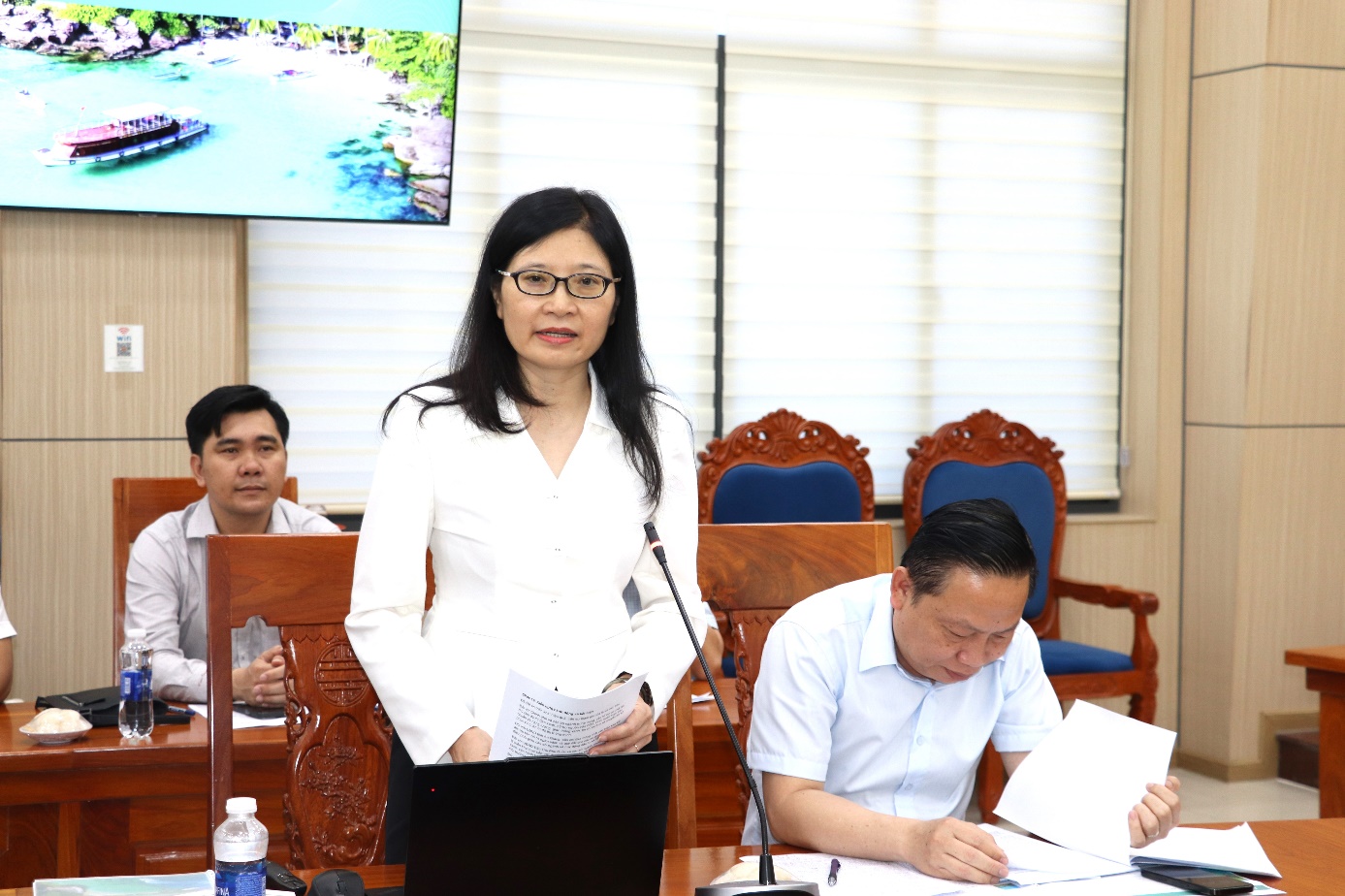
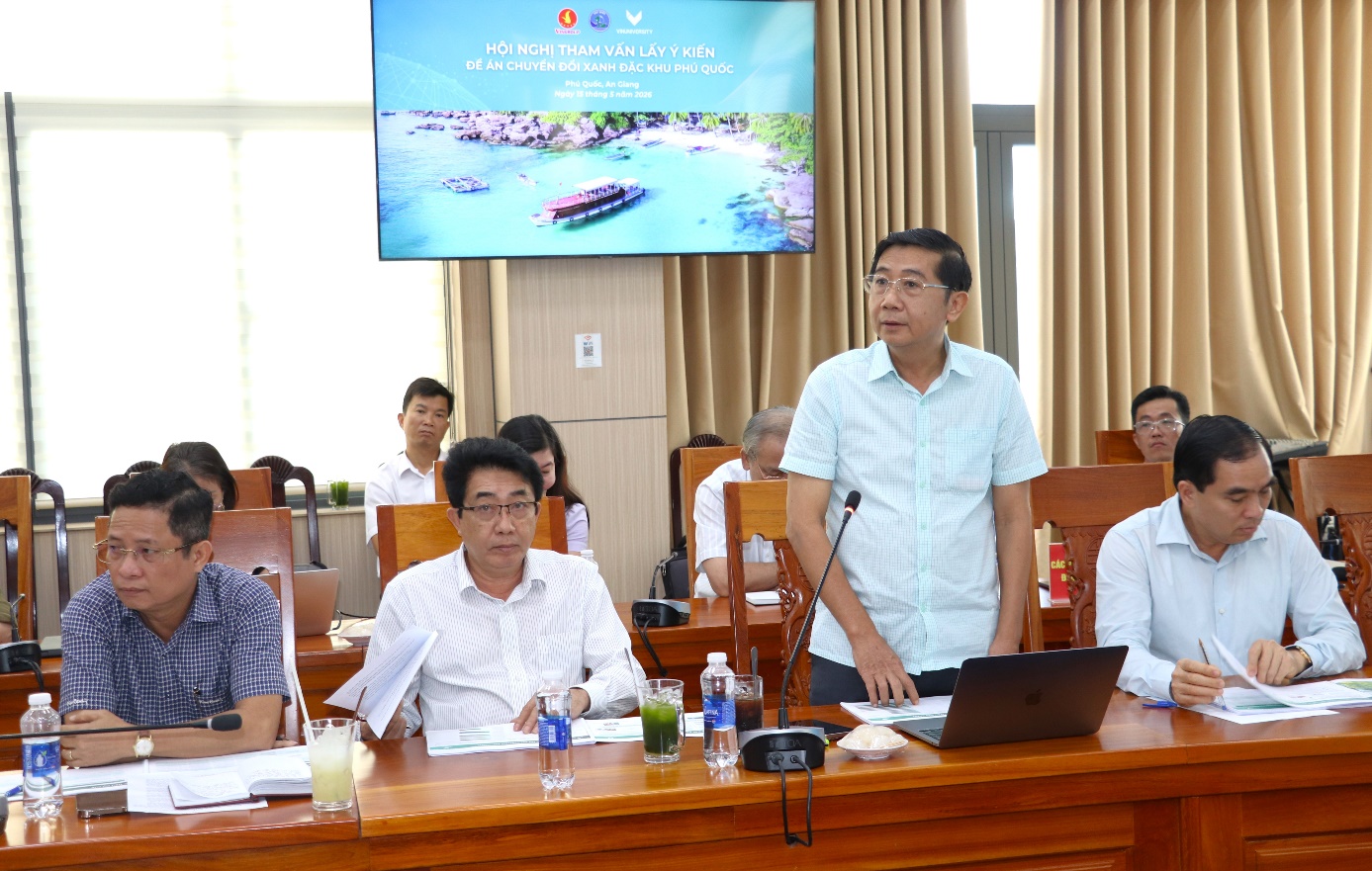
The specific target for 2035 is for Phú Quốc to strive to reduce greenhouse gas emission intensity by at least 30% compared to 2026. At the same time, the rate of natural carbon absorption is aimed to reach 40-50%.
7 core solution pillars
To realize this vision, the project establishes a strategic framework based on Phú Quốc's green transition solutions, centered on 7 core pillars with 37 priority projects.
Regarding smart green transportation, the goal is for 100% of public passenger transport vehicles and road motor vehicles to use green energy by 2035. Breakthrough projects include the Coastal Water Taxi system and electric buses.
Green and resilient urban infrastructure, applying the "Sponge City" model to prevent flooding and increase public green space to 12 m² per person by 2035.
Smart green tourism, building a green labeling system for tourism establishments, aiming for 100% of facilities to sort waste at the source and say no to single-use plastics by 2035.
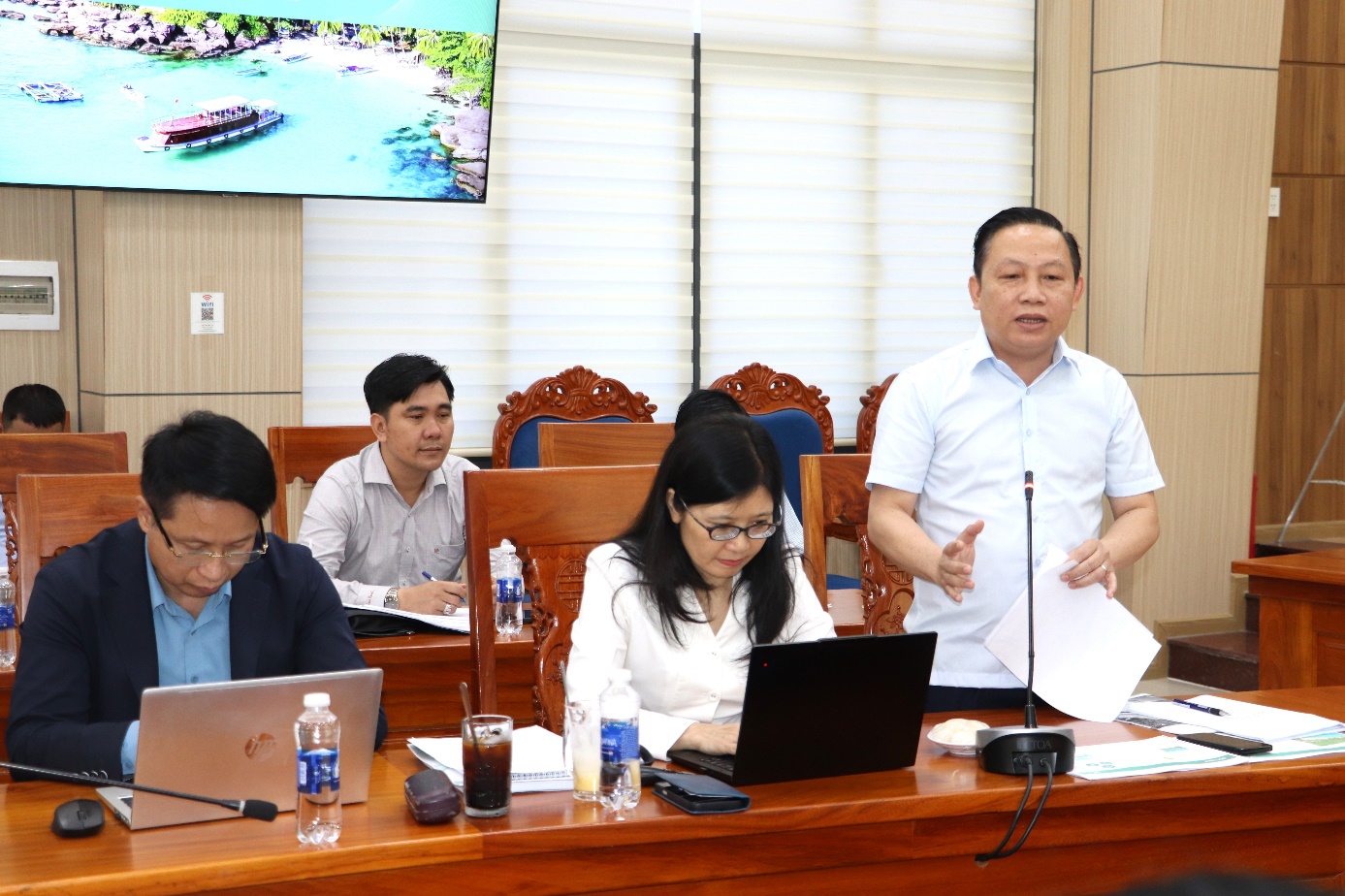
Smart green energy, raising the share of electricity from renewable sources to 50% of total consumption. The project prioritizes installing rooftop solar power with battery storage for resorts and hotels.
Conservation of natural resources and biodiversity, shifting from passive conservation to proactive restoration of degraded coral reefs, seagrass beds, and mangrove forests.
Green behavior, governance, and human resources, raising the share of green jobs to 25% by 2035 and implementing comprehensive source waste separation for 100% of households starting in 2027.
Science and technology, digital transformation, and MRV, building green data infrastructure and a digital MRV system (Measurement - Reporting - Verification) to transparently monitor the emissions reduction roadmap.
The implementation roadmap is divided into 3 phases, with the 2026-2027 phase designated as the "acceleration phase" to serve the APEC 2027 event. The project emphasizes mobilizing diverse resources, from state budget leadership to socialized capital from businesses and international climate finance.
The successful implementation of the project will not only help Phu Quoc preserve its valuable "natural capital" but also create tangible benefits for the community, repositioning the "Pearl Island" brand on the global green tourism map./.
News by Nhu Ngoc