(AG Provincial E-Portal) - Under its provincial master plan for 2021-2030, with a vision to 2050, An Giang expects a historic transformation, becoming both an economic and social driving force for the Mekong Delta region, a border and maritime defense line in the Southwest of the country, and a center for international trade with Cambodia and the ASEAN region.
Many distinctive "regional pillars"
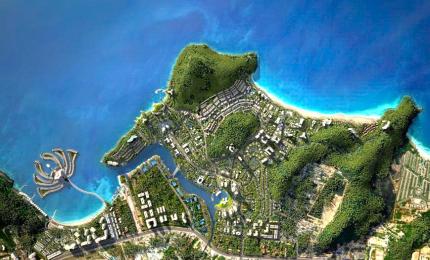
An Giang is the largest province in the Mekong Delta region, with an area of over 9,888 km² and a sea area of over 63,000 km². It possesses many distinctive features typical of the country, such as plains, mountains, forests, islands, rivers, and borders… An Giang aims to become a moderately developed province by 2030, a strong national maritime economic center; Phu Quoc Special Economic Zone to reach international standards; Rach Gia to become a political-administrative, commercial-service, and comprehensive-specialized center; the Long Xuyen - Chau Doc - Rach Gia - Ha Tien quadrilateral region to be a driving force for industrial development, logistics, and cultural and ecological tourism; a center for research and development of high-tech agricultural, aquatic, and medicinal plant production; and to develop border trade, a hub for trade and cooperation with the Kingdom of Cambodia. It also aims to have a comprehensively developed socio-economic infrastructure system that is adaptable to climate change…
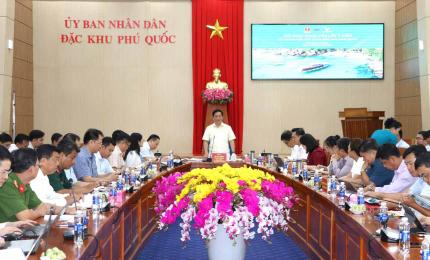
Mr. Pham Minh Tam, Director of the An Giang Department of Finance, stated that aligned with national and Mekong Delta regional master plans, the province’s development strategy centers on rapid, sustainable growth and a transformed economic model that capitalizes on local strengths. This vision is driven by a three-pronged approach: upgrading traditional growth drivers, unlocking new potentials, and fostering supporting sectors to elevate overall growth quality.
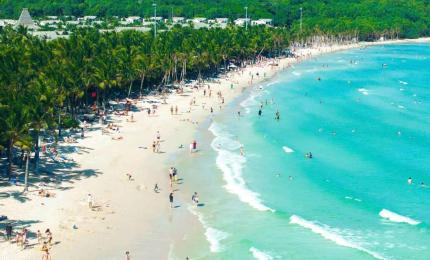
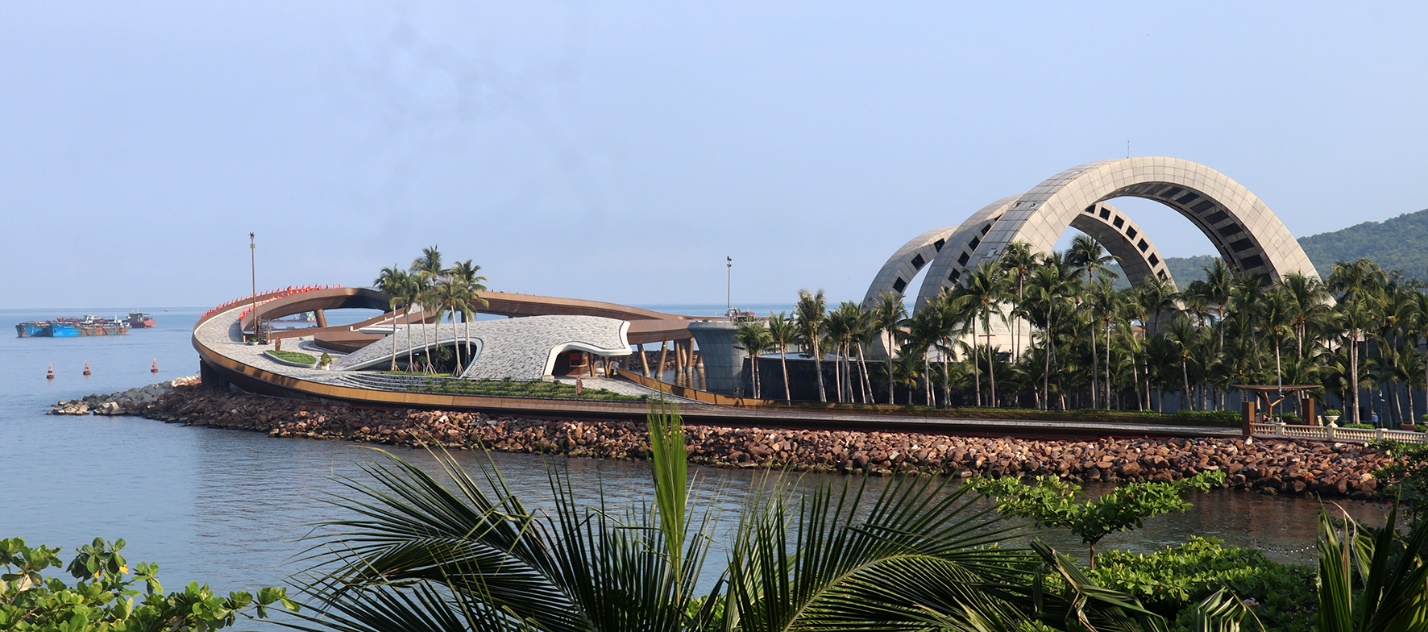
Accordingly, An Giang has identified high-quality tourism and services as the driving force, shifting from breadth to depth, with a focus on coastal and island tourism, high-end resorts, ecotourism and spiritual tourism, along with new service types such as healthcare, conferences and events…
Agriculture, a cornerstone of the economy, is set for a major overhaul. The focus will shift toward a high-tech, ecological, and circular model tightly integrated with deep processing and global value chains.
Concurrently, An Giang is tapping into new potentials, aggressively pivoting toward a digital and knowledge-based economy, alongside high-value services such as IT, finance, and advanced logistics driven by digital transformation and innovation. Notably, the province is fostering its processing, manufacturing, bio-tech, and high-tech sectors - particularly those with high added value and strong spillover potential - to forge a powerful synergy among agriculture, industry, and the marine economy, aimed at driving breakthrough growth.
Regarding the development of supporting sectors, the province focuses on developing a green support platform, investing in clean energy and renewable energy such as wind power, solar power, and biomass power, and improving the quality of urban services in healthcare, education, and social services, in order to not only improve people's lives but also enhance the green competitiveness of the economy.
The 'extended arm' of regional linkage in the Mekong Delta
One of the key highlights of the Provincial Planning for the period 2021-2030, with a vision to 2050, is its close connection with the development strategy of the Mekong Delta region. An Giang positions itself within the region's overall ecosystem through three aspects: a multi-dimensional economic corridor, its role as a "central hub," and multi-modal infrastructure.
The province is anchoring its development along key economic corridors and transport axes tied to specialized sub-regions. Notably, the border and coastal corridors - alongside the Chau Doc - Can Tho - Soc Trang and North-South axes -are transforming into vital economic arteries, linking the province with inter-regional and international markets, particularly Cambodia and the Greater Mekong Sub-region
Subsequently, An Giang is positioned to become the agricultural production and logistics center of the Mekong Delta region; at the same time, it is gradually expanding towards the sea to become a western maritime economic development hub, contributing to expanding development space and strengthening international linkages for the entire region.
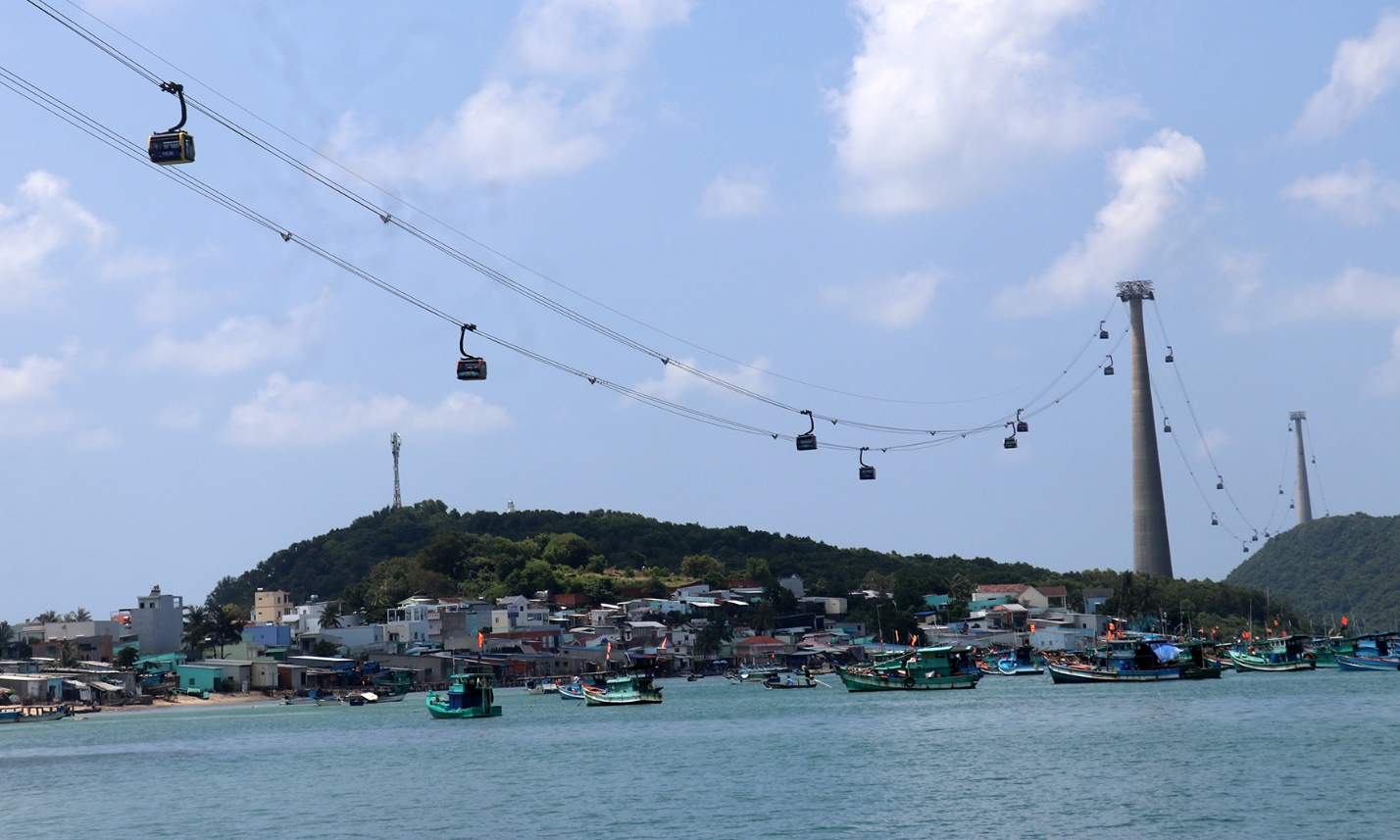
Regarding multimodal infrastructure, the province prioritizes investment in a synchronous and modern infrastructure system, especially transportation infrastructure, eliminating bottlenecks in roads, waterways, seaports, airports, and logistics... This will strengthen intra-provincial, inter-provincial, and international connectivity, creating seamless connections to promote the agricultural and tourism value chains throughout the region.
Mr. Pham Minh Tam, Director of the An Giang Department of Finance, shared that the province aims to attract total social investment capital of 650-660 trillion VND in the 2026-2030 period. In which, the target is to attract 500-600 trillion VND in direct investment. The province is opening its doors to investors in key sectors such as: transportation infrastructure, industrial parks and urban areas; high-tech agriculture and refined and deep processing industries; marine economy; green energy; trade, logistics services; high-quality tourism…
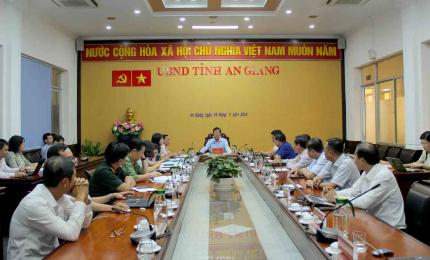
Mr. Ho Van Mung, Member of the Central Committee of the Communist Party, Deputy Secretary of the Provincial Party Committee, Chairman of the People's Committee of An Giang Province, affirmed that by emphasizing the theme "An Giang: New Space – New Vision – Greater Success," he stated that the province aims to showcase its vast potential to the business and investment communities This initiative seeks to maximize local resources and attract foreign investment to drive socio-economic growth. Crucially, An Giang targets becoming a major national maritime economic hub by 2030 through drastic reforms to its investment climate and active engagement with strategic partners.
An Giang province stands alongside businesses and investors, applying the highest level of preferential policies. Depending on the investment sector and location, projects may be exempt from long-term or full-term land lease fees; preferential corporate income tax rates and tax exemptions for many years are applied to innovation, digital transformation, high-tech agriculture, processing industries, and industrial park and cluster infrastructure…
In its provincial planning for the period 2021-2030, with a vision to 2050, An Giang province aspires to sustainable, high-quality, and efficient development, ensuring a balance between economic growth and environmental conservation, while preserving local cultural identity. Specifically, it aims to become the "green heart" of the Southwestern region, attracting tourists while creating long-term socio-economic value; becoming a reliable and attractive destination, contributing positively to the overall prosperity of the Mekong Delta and the entire country./.
Author: LE HUY HAI
Translated by Kim Ngan