(AG Provincial E-Portal) -With strategic vision and breakthrough goals for 2026, An Giang province is striving to transform itself into the "New Dynamic Center" of the Mekong Delta region. The province is developing its economy based on innovation, science - technology, digital transformation, and green transition.
A bright socio-economic picture
An Giang is painting a bright socio-economic picture for 2026, with expectations of rapid and sustainable development across all sectors, positioning the province as the new dynamic center of the Mekong Delta region. The target growth rate (GRDP) is set at 10.71% or higher, driving growth for the entire region. An Giang aims to become a spiritual and eco-tourism hub, attracting international tourists; a core for high-tech agriculture, rice and seafood exports; and a gateway connecting Cambodia, boosting cross-border trade and international integration.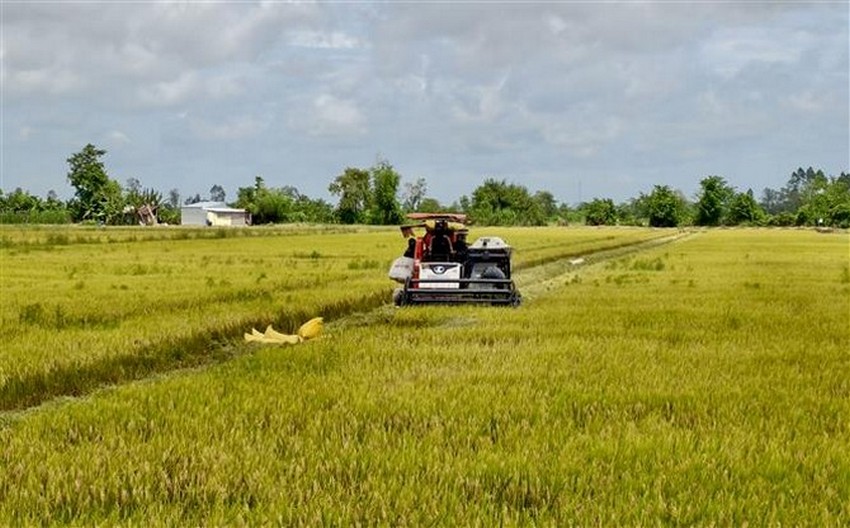
An Giang province's leaders emphasize that the province will focus on tapping the potential and advantages of its border, coastal, and island areas, promoting regional connectivity, and enhancing trade links with provinces, cities in the region, and globally.
The province will drive innovation in its growth model, restructuring its economy towards sustainability, modernization, and high value-added production. Economic targets for 2026 include a GRDP of over 335,000 billion VND, GRDP per capita of 3,600 USD, total social investment of 113,500 billion VND, and a multidimensional poverty rate reduction of 0.1% - 0.2%.
An Giang aims to rank among the top 10 provinces in the country in Digital Transformation Index (DTI) and Provincial Innovation Index (PII), driving socio-economic development, enhancing competitiveness, attracting investment, and improving services for citizens and businesses.
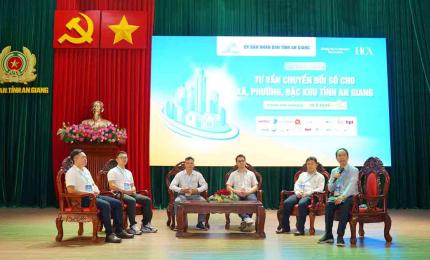
An Giang identifies innovation, science - technology, and digital transformation as key drivers for growth model innovation, economic restructuring, allocating at least 3% of its budget to this area.
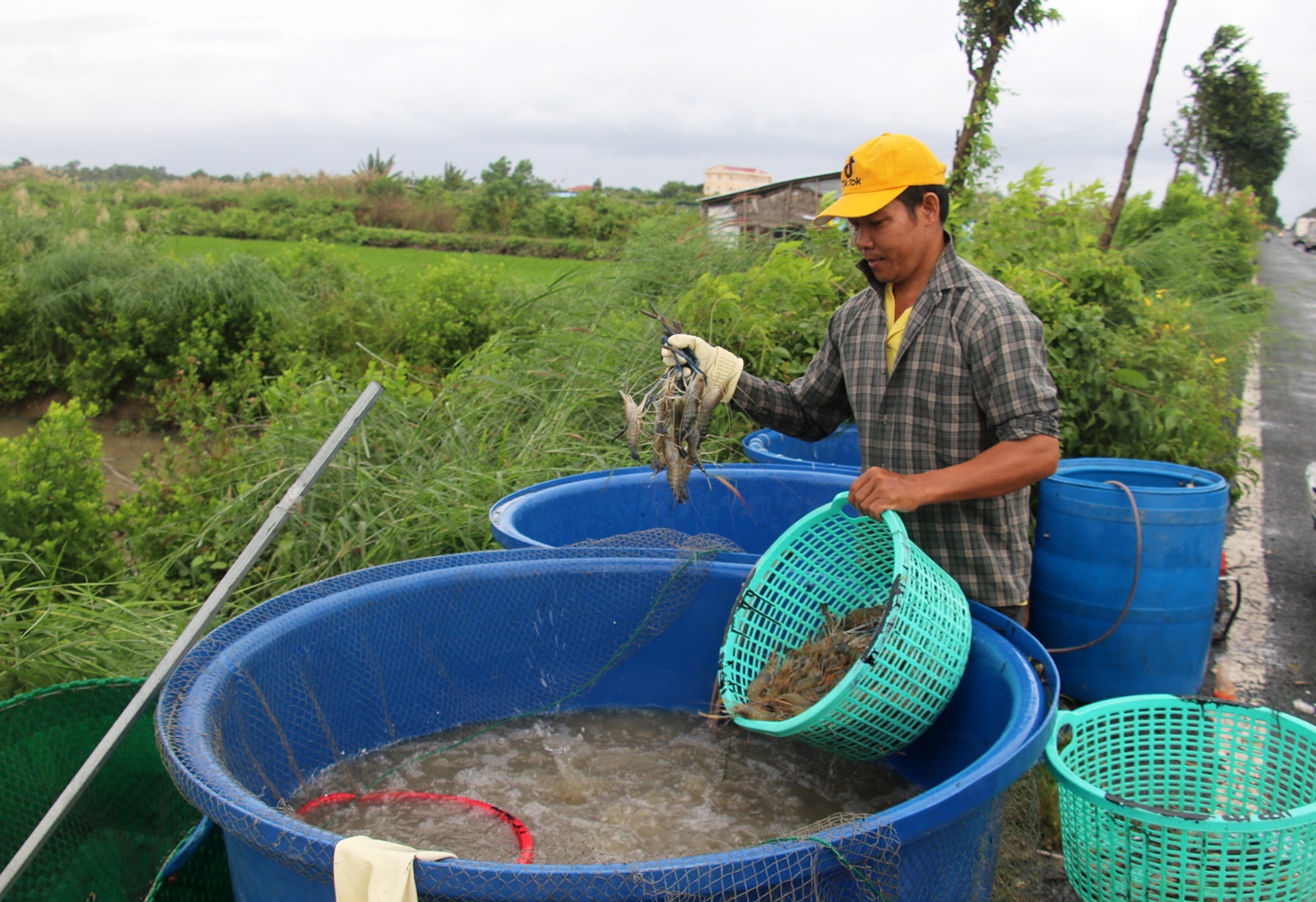
In agriculture - the economic pillar - An Giang focuses on high value-added, organic, and clean farming. Targets include 8.8 million tons of rice (68% high-quality) and 1.6 million tons of aquatic products.
Director Le Huu Toan says the province will implement agricultural development plans, restructuring production with high-tech, organic, and clean farming, boosting value and linking production to preservation, processing, and consumption.
The province is promoting the "One Million Hectares of High-Quality, Low-Emission Rice" project, aligning with green growth in the Mekong Delta by 2030. This strategic move adapts to climate change and meets international standards.
For the industrial sector, An Giang is innovating its growth model, restructuring industry to boost value-added production and develop value chains.
Director Nguyen Thong Nhat says the province will optimize industrial development space, increasing industry's GRDP contribution. It will also enhance export quality, focusing on high-tech, high-value products with deeper processing, expanding export scale.
The province will expand export markets for key products, boost trade promotion, and support businesses in maintaining traditional markets and exploring new ones. Export targets aim for a 5.4% growth, reaching $2.56 billion.
Leveraging its border and coastal advantages, An Giang is building strategic economic corridors. For border economy, it will focus on developing multi-sectoral border economic zones, implementing e-customs and modern surveillance to speed up clearance.
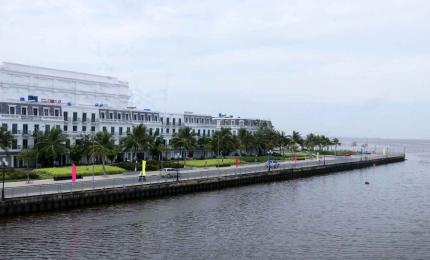
For maritime economy, it will push to become a national maritime hub, building a major fishing hub and urban-port-tourism-service chain linking Tho Chau - Kien Hai - Ha Tien - Rach Gia - Hon Đat.
Developing border and maritime economy brings dual benefits: boosting cross-border trade and investment, and driving sustainable growth from sea, fisheries, ports, and tourism. An Giang's strategic economic corridors will make it a key trade, service, and seafood hub, elevating Vietnam's regional and global standing.
In tourism, An Giang targets 25 million visitors in 2026, up 3.6% from 2025, with 2.1 million international tourists (up 11%) and 70,000 billion VND in revenue. The province will boost tourism demand, improve transport links to key areas, expand regional and international cooperation, and focus on high-spending, long-stay tourists seeking deep experiences.
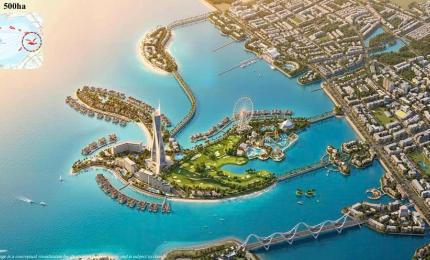
Director Bui Quoc Thai says a highlight of An Giang's 2026 tourism strategy is developing Phu Quoc into a high-end eco-tourism hub, ready to host APEC 2027.
This strategic move elevates Phu Quoc - An Giang on the global tourism map, a golden opportunity to boost infrastructure, attract investment, and cement Ngoc Island's international status. APEC 2027 showcases Phu Quoc as an international eco-tourism and luxury destination, highlighting Vietnam's modern, friendly, and globally integrated image.
Unclogging the "lifeblood" of transport and trade
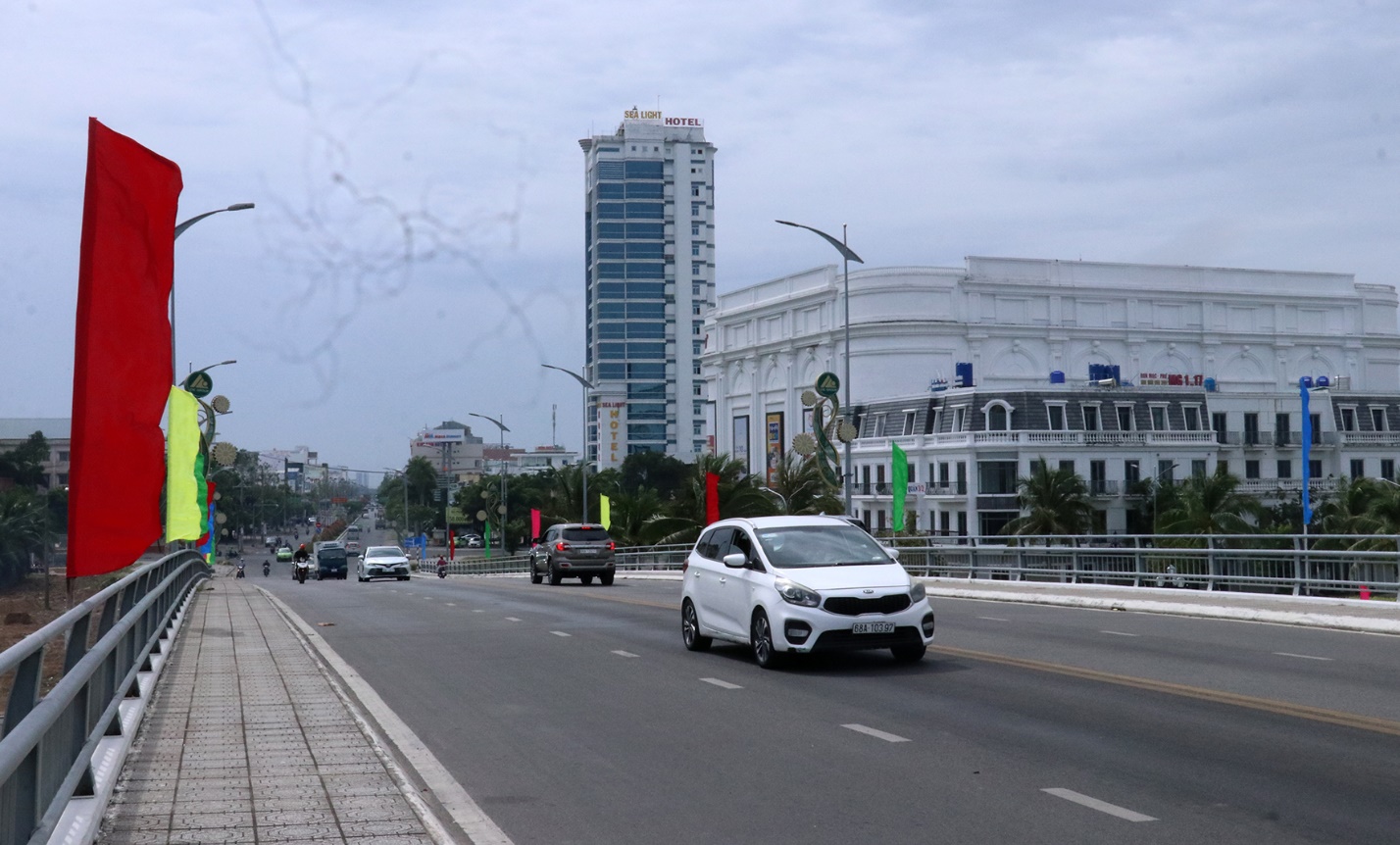
An Giang mobilizes resources to invest in infrastructure, boosting regional links and inter-local cooperation for socio-economic development. The province focuses on transport, urban, logistics, digital, and border-maritime infrastructure. It will develop strategic economic corridors, provincial roads, urban routes, and rural transport, collaborating with central agencies on national infrastructure projects.
It will also upgrade inland waterways, maritime, and aviation infrastructure; invest in transport links connecting border areas to islands, HCMC, Can Tho, Ca Mau and Cambodia, and international shipping routes. An Giang will develop Phu Quoc's special economic zone infrastructure to international standards and build Tho Chau’s infrastructure for strategic defense, security, and socio-economic development in the southwest.
An Giang will collaborate with the energy sector to expedite projects supplying national grid electricity to An Son and Nam Du islands, key projects in Phu Quoc for APEC, and renewable energy for Tho Chau. It will develop infrastructure in key areas, industrial zones, border economic zones, urban areas, and tourist zones for seamless connectivity. The province will build a centralized digital tech hub and digital telecom infrastructure, enabling e-government, digital economy, and digital society.
An Giang will boost cooperation with Mekong Delta provinces and HCMC through forums like Mekong Connect, trade promotion, and investment. It will strengthen market and business links with new production models, develop value chains for signature products, and connect investment, trade, and services.
To achieve a breakthrough in 2026, An Giang's Chairman Ho Van Mung emphasizes governance by "06 ro" principle: clear person, task, timeline, product, responsibility, and authority, with strict monitoring. He stresses boosting leaders' accountability and building policies to drive fast, sustainable socio-economic growth.
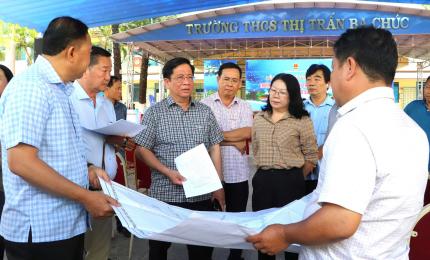
Key solutions for socio-economic development in 2026 include An Giang speeding up public investment disbursement, targeting 100% of the plan, and resolving challenges for businesses, especially supporting stable production and boosting export processing.
An Giang will upgrade infrastructure and planning, expedite the Chau Đoc - Can Tho - Soc Trang expressway, and prepare for APEC 2027. It will boost competitiveness (PCI), governance (PAPI), and admin reform (PAR Index), and finalize its 2-tier government model and Public Service Center for citizens and businesses.
An Giang aspires to be the "New Dynamic Center" of the Mekong Delta, driving socio-economic breakthroughs, elevating the region's status, and fostering sustainable growth. This ambition is not just for An Giang – it is a strategy to uplift the Mekong Delta, making it a vibrant, sustainable, and globally integrated region./.
Author Le Huy Hai
Translated by HN