(AG Provincial E-Portal) - On the afternoon of 07/01, Associate Professor, PhD, MD Tran Quang Hien, Director of the An Giang Department of Health, chaired a conference to review health sector work in 2025 and roll out key directions and tasks for 2026. Vice Chairwoman of the An Giang Provincial People’s Committee (UBND) Nguyen Thi Minh Thuy attended and delivered directive remarks at the conference.
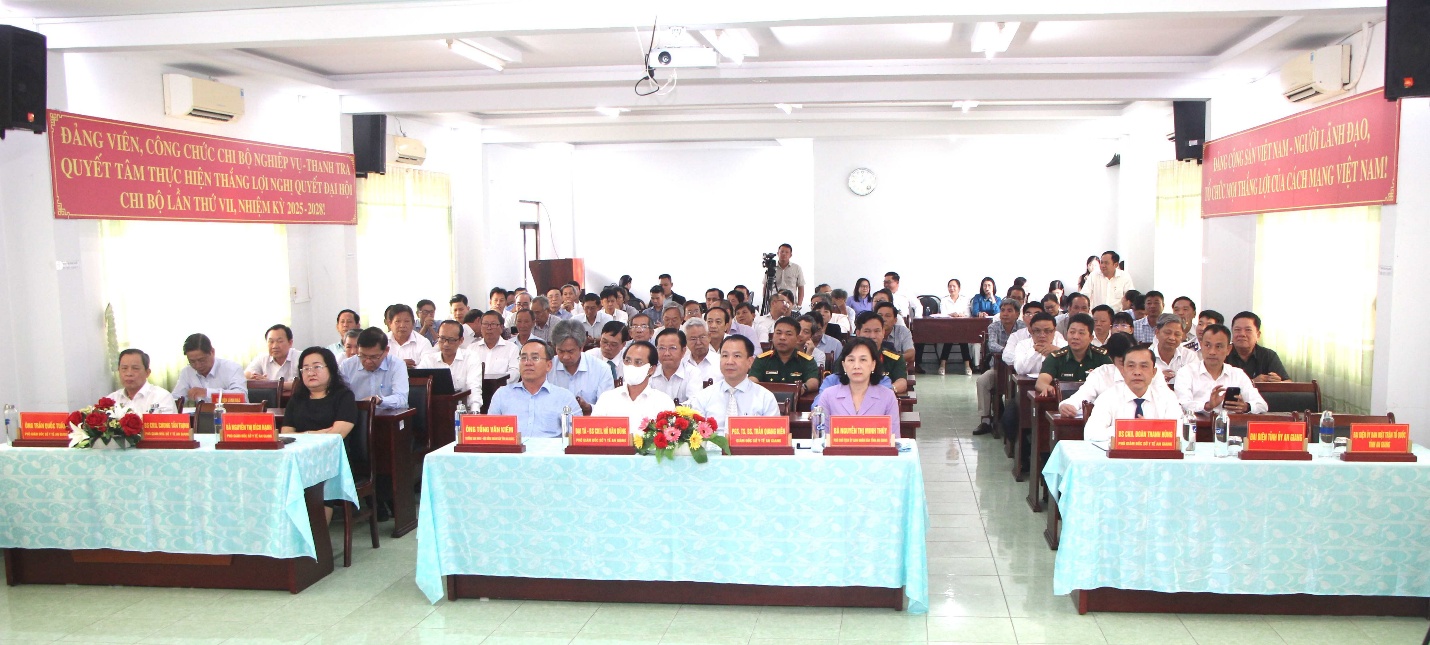
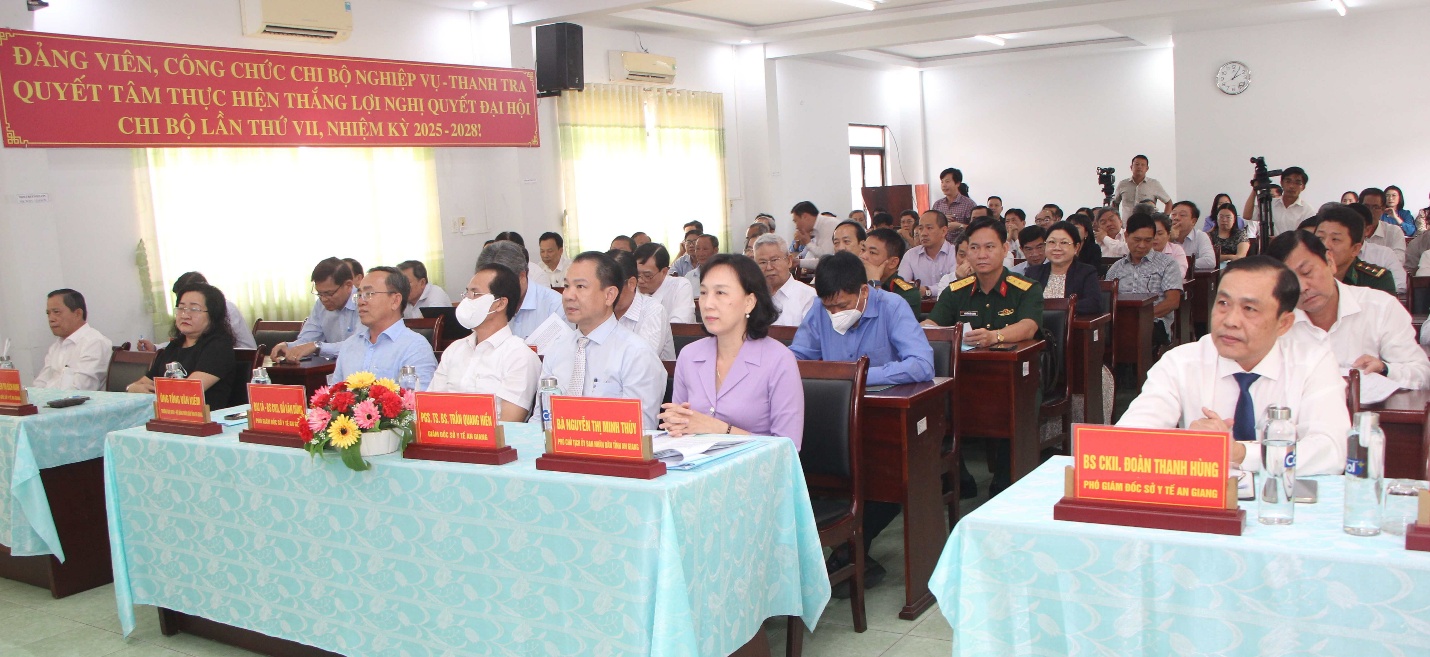
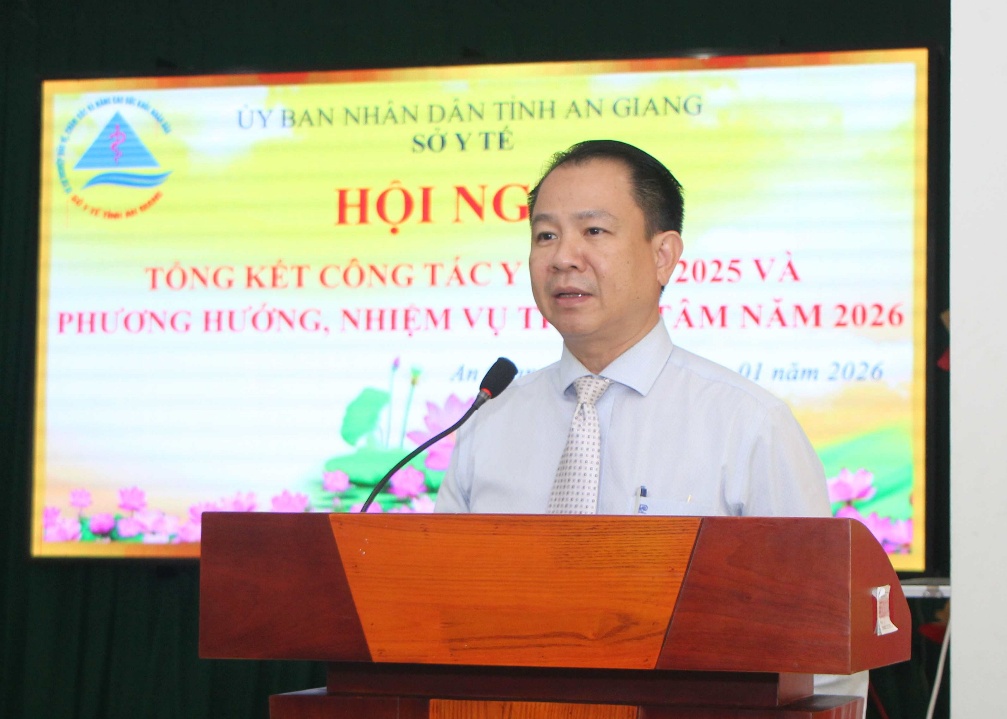
An assessment of the 2025 health sector results shows that the entire sector met and exceeded 3/3 socio-economic targets related to health and 9/9 basic health targets; the public satisfaction rate reached 95%, higher than the set target. Disease prevention and control was carried out proactively and flexibly, with no major outbreaks occurring; capacity for monitoring, forecasting, and public health response continued to improve. Medical examination and treatment recorded many positive changes; the quality of health services was gradually improved; the spirit and attitude in serving patients increasingly focused on satisfaction, taking people as the center.
The grassroots health system continued to be reorganized and consolidated; targeted health–population programs were implemented in a synchronized manner; health insurance coverage was maintained at a high level; preventive medicine, food safety, population and development, and social protection received appropriate attention. In particular, the health sector achieved many positive results in implementing digital transformation in healthcare, applying information technology in management, medical examination and treatment, cashless payment, and electronic health records.
Following the consolidation, An Giang Province’s network for medical examination and treatment comprises 51 facilities with a capacity of 11,022 hospital beds and 298 health stations, maintaining and ensuring effective implementation of patient admission, medical examination and treatment, and emergency care.
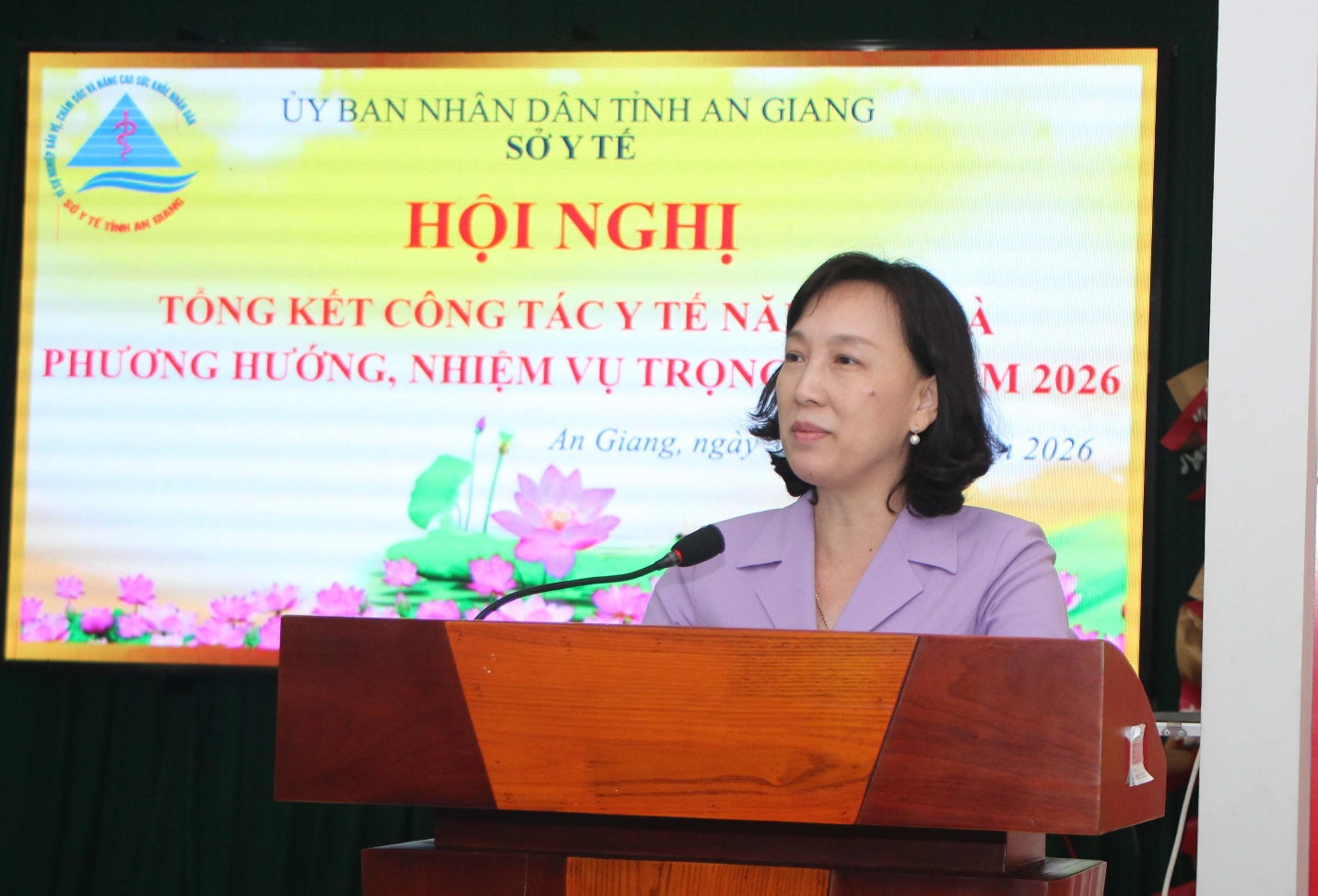
Delivering directive remarks at the conference, Vice Chairwoman of the An Giang Provincial People’s Committee Nguyen Thi Minh Thuy acknowledged, commended, and highly appreciated the health sector’s achievements, which were comprehensive and strategically significant, completing and exceeding key health targets and clearly demonstrating its core role in the province’s social security system.
Entering the 2026–2030 period, An Giang’s health sector faces new development requirements that are higher and more comprehensive, demanding fundamental and comprehensive innovation in health work, toward building and developing an inclusive, modern, equitable, and sustainable An Giang healthcare system, ensuring that all people have access to quality healthcare services. The Vice Chairwoman proposed that the health sector must renew its healthcare development mindset in the direction of taking people as the center, with health as the most precious asset. It should strongly shift from a “treating illness” mindset to “comprehensive healthcare,” from passive to proactive disease prevention; from administrative management to modern health governance. All health policies, programs, and projects must aim to improve quality of life, healthy life expectancy, and the people’s satisfaction.
At the same time, priority should be given to consolidating strong and substantive grassroots healthcare and preventive medicine. Focus on investing in facilities, equipment, and human resources; enhancing the capacity of commune- and ward-level health stations under a comprehensive primary healthcare model. Prioritize border areas, islands, and ethnic minority areas; develop family medicine linked with universal health management. In particular, improve the quality of medical examination and treatment, develop specialized healthcare; develop high-quality health human resources; promote digital transformation and administrative reform in the health sector; and pay attention to population work, maternal and child health, social protection and children, ensuring social security./.
Reported by Hanh Chau
Translated by Kim Thuan