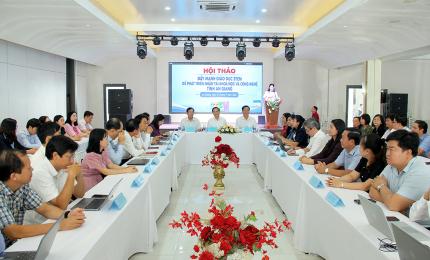
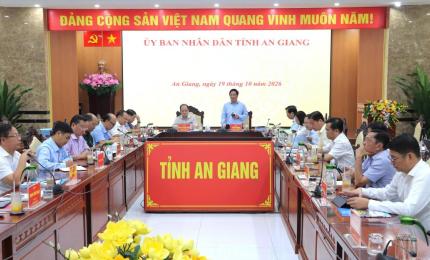
(AG Provincial E-Portal) - On November 23, Kien Giang University and the An Giang Department of Culture and Sports jointly organized a scientific seminar themed “Identifying and Promoting the Values of An Giang’s Culture and People.”
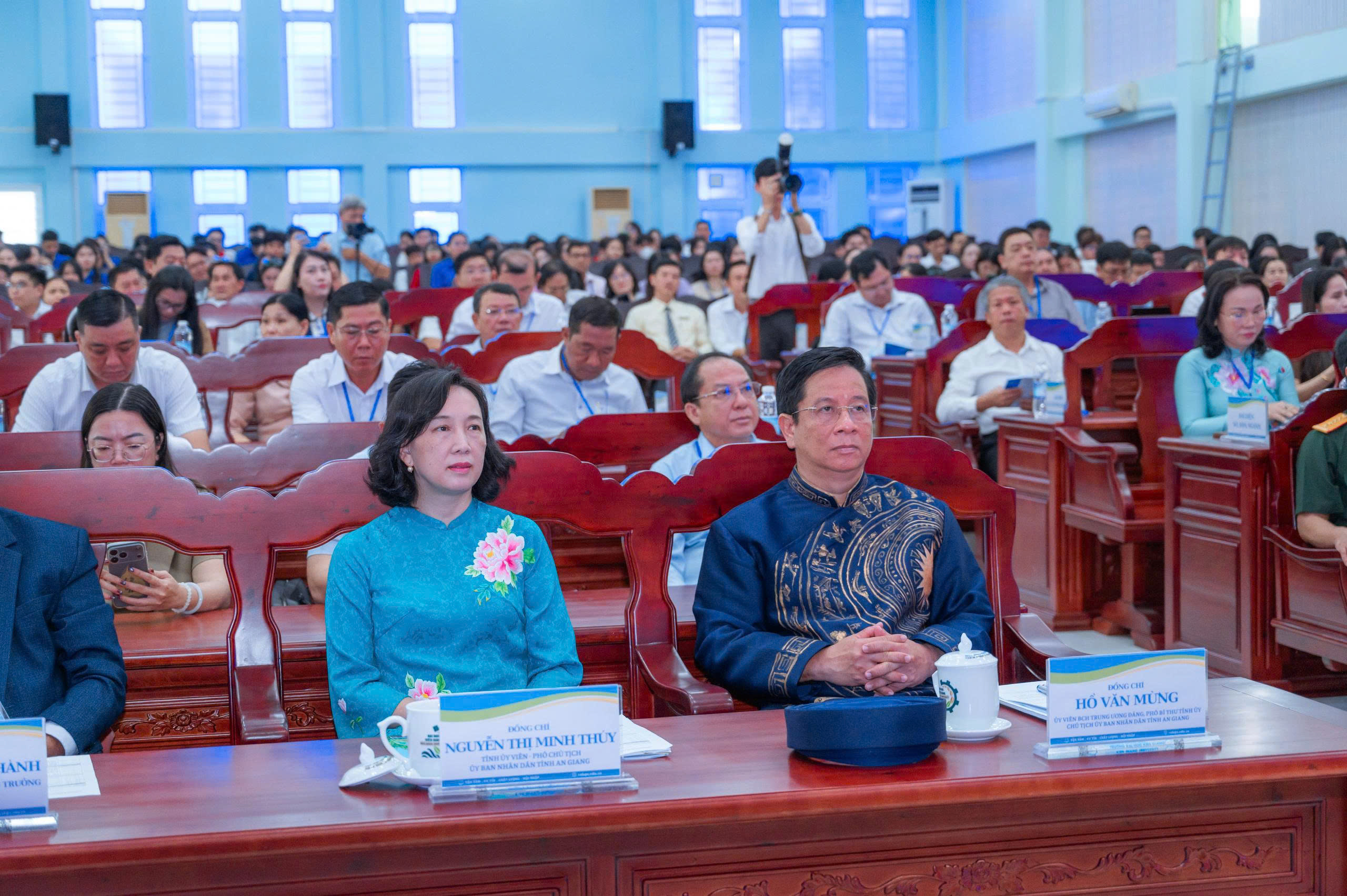
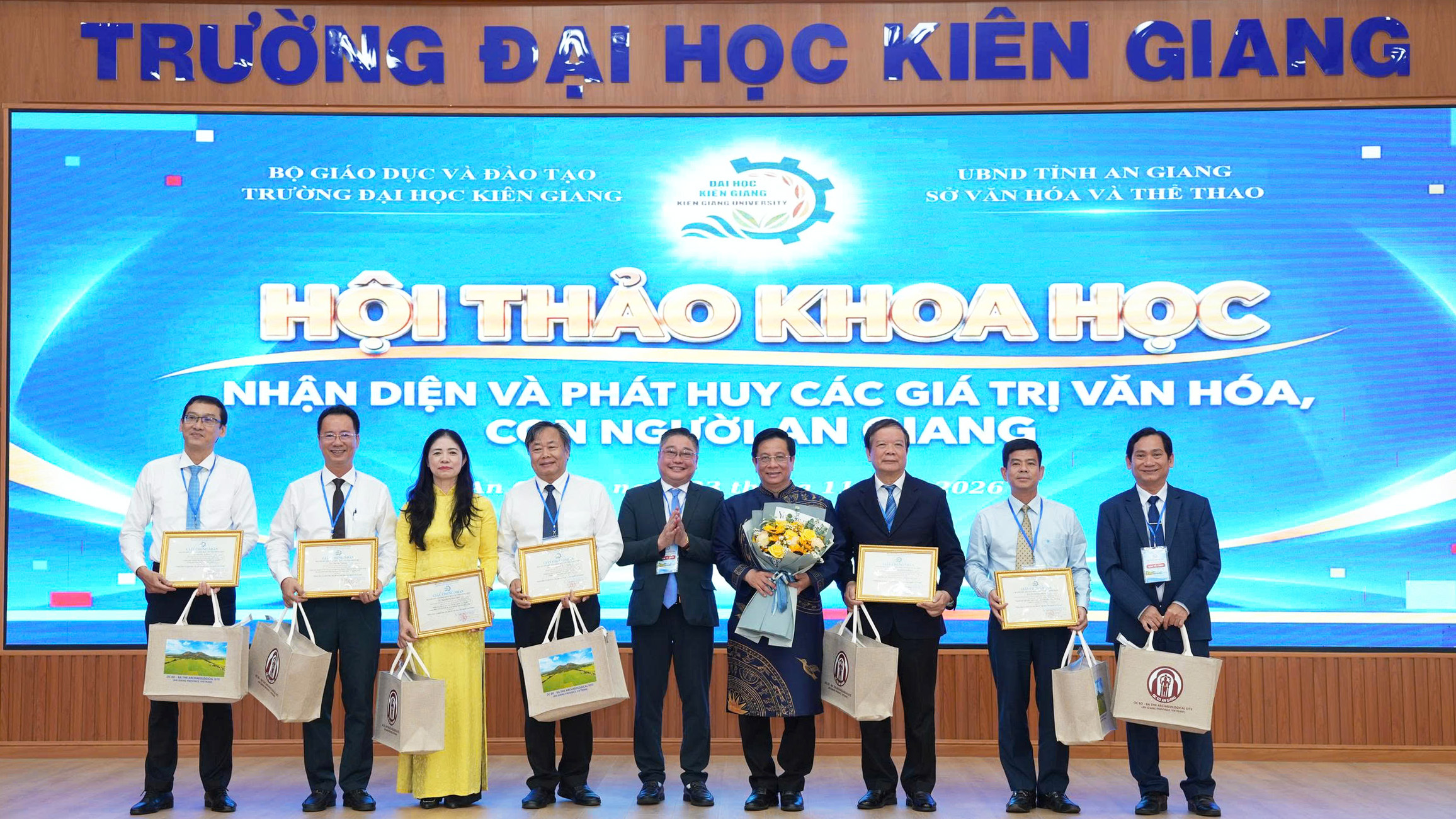
The event was attended by Mr. Ho Van Mung, member of the Party Central Committee, Deputy Secretary of the Provincial Party Committee, and Chairman of the An Giang Provincial People’s Committee; Ms. Nguyen Thi Minh Thuy, Vice Chairwoman of the Provincial People’s Committee; the leadership of Kien Giang University; as well as scientists, experts, and researchers from both within and outside the province.
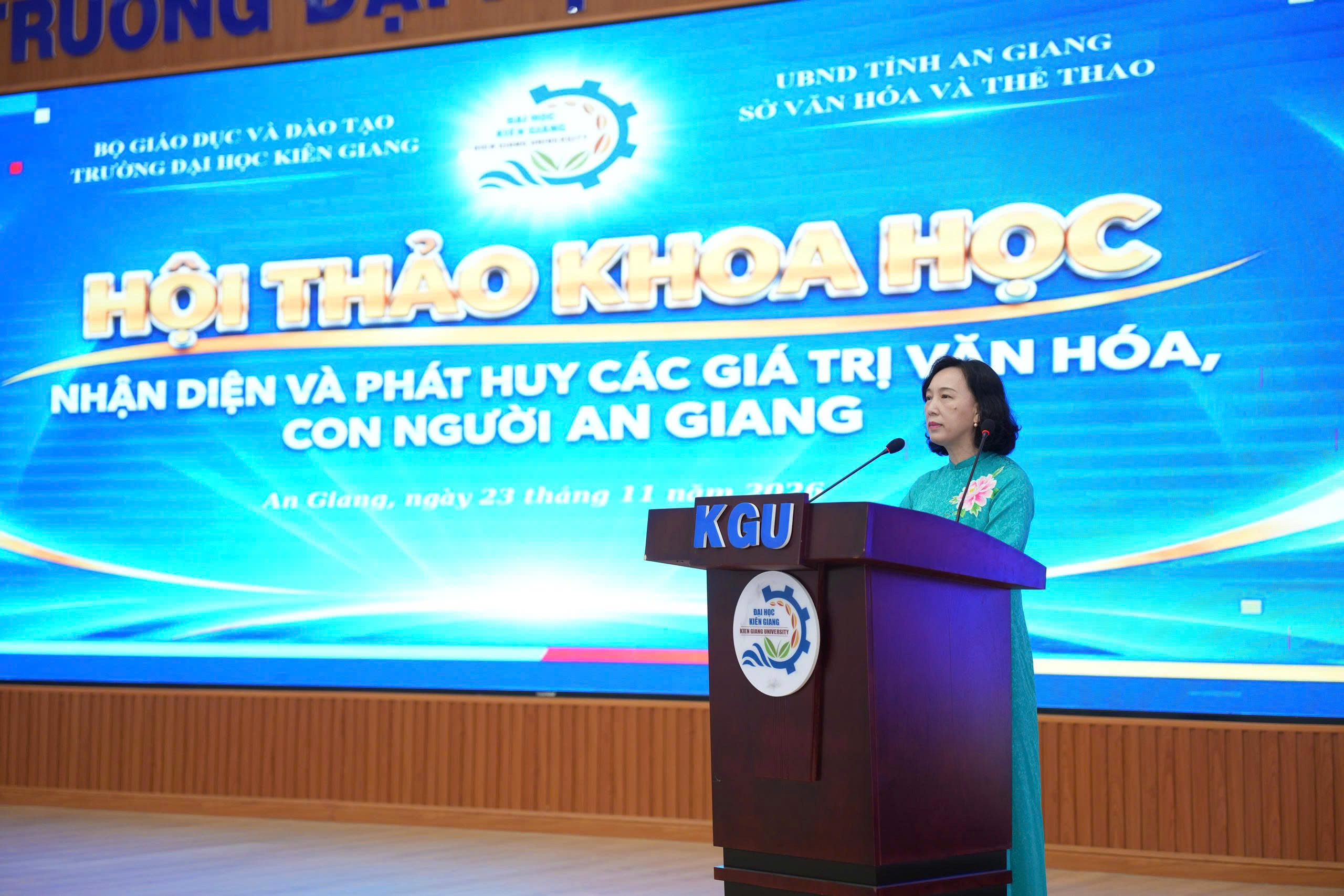
In her opening remarks, Ms. Nguyen Thi Minh Thuy, Vice Chairwoman of the An Giang Provincial People’s Committee, noted that An Giang is a land rich in historical, cultural, and revolutionary traditions. It’s a meeting point and crossroads for various ethnic and religious communities, fostering a diverse, vibrant, and distinct cultural landscape. Throughout the long history of pioneering, developing, and defending this land, noble values have been cultivated and distilled into the defining traits of the people of An Giang: patriotic, united, compassionate, industrious, creative, resilient, and deeply aspirational.
These values are vividly expressed through a distinctive system of cultural heritage, notably the Oc Eo culture—associated with the Funan civilization—the Sam Mountain Goddess Worship Festival (Via Ba Chua Xu Nui Sam), the Don ca tai tu (Southern amateur music) tradition, the Nguyen Trung Truc festival, as well as various festivals, customs, practices, and traditional crafts of the Khmer, Cham, and Hoa ethnic communities. Significantly, An Giang is home to two intangible cultural heritage elements recognized by UNESCO, along with ten others designated as national intangible cultural heritage. These represent not only precious assets preserved and passed down through generations but also vital resources for fostering traditional values, strengthening national unity, and advancing the development of tourism and services.
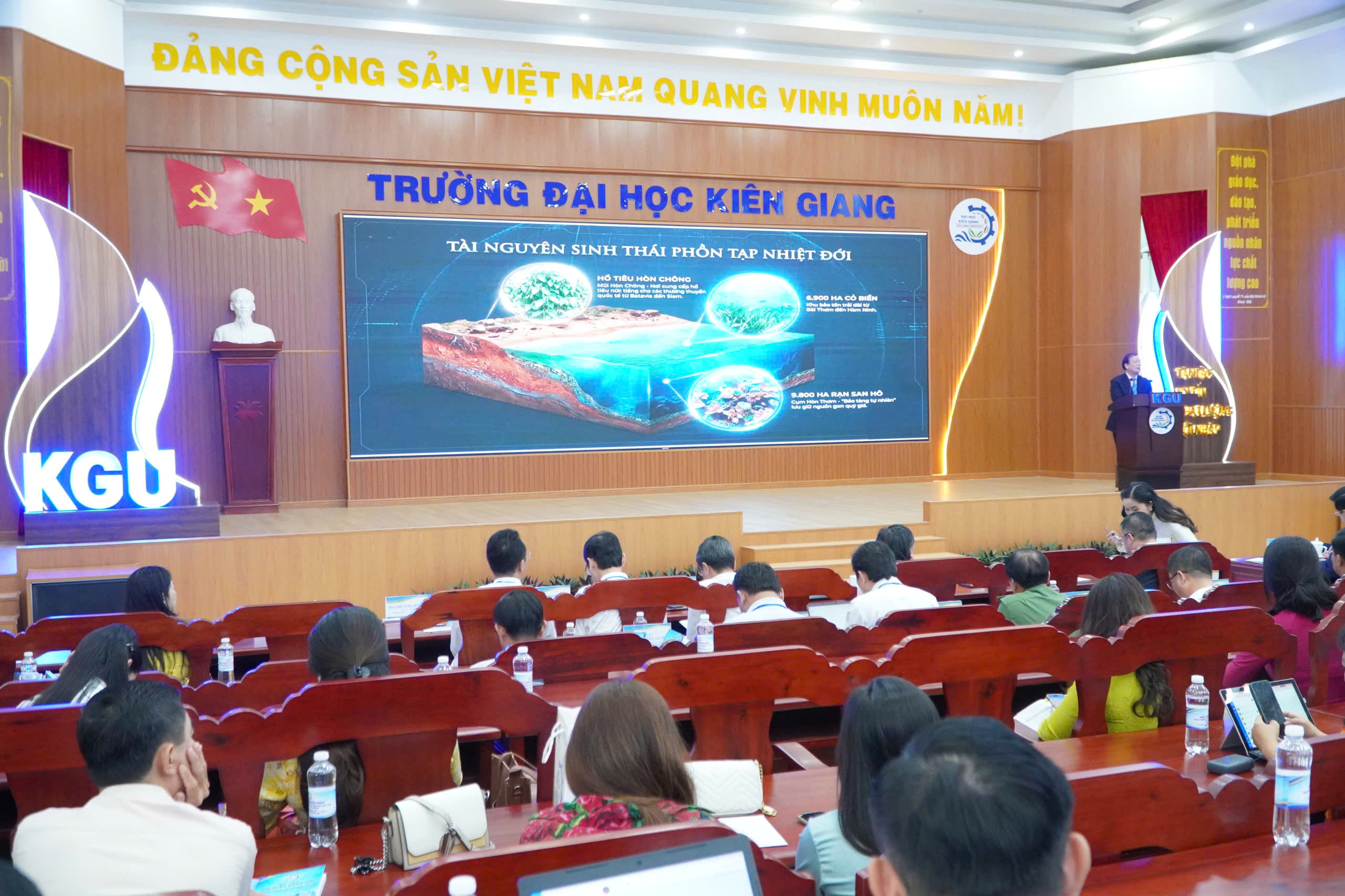
At the seminar, delegates focused on exchanging, discussing to identify comprehensively and systematically the cultural identity of An Giang within a new development context; they explored ways to promote the value system and character traits of the people of An Giang to meet the demands of this new phase of development, while also transforming cultural values into resources for socio-economic growth; discussions covered practical solutions for integrating heritage conservation with the development of tourism, services, and cultural industries; effectively exploring historical, cultural, religious, and festival-related assets, as well as ecological landscapes and traditional folk knowledge, to create distinctive and competitive tourism products.
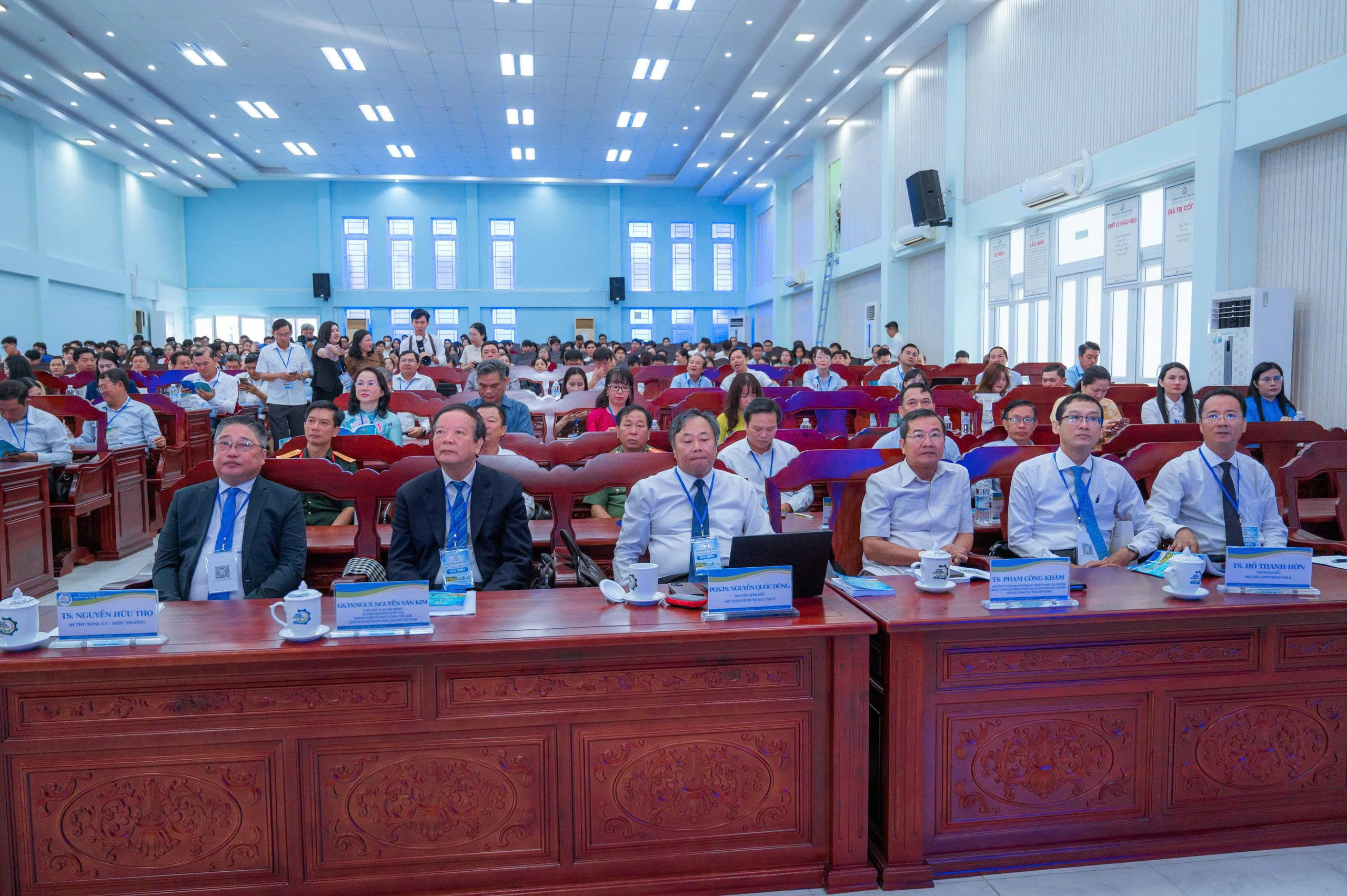
At the same time, it is necessary to study mechanisms for mobilizing social resources and encouraging the participation of the community and businesses in the preservation and promotion of heritage, ensuring a balance between economic interests, the safeguarding of cultural identity, and sustainable development. Furthermore, the roles of education, training, and scientific research in preserving and disseminating cultural values should be leveraged, with the findings from scientific research integrated into policy-making and implementation processes.
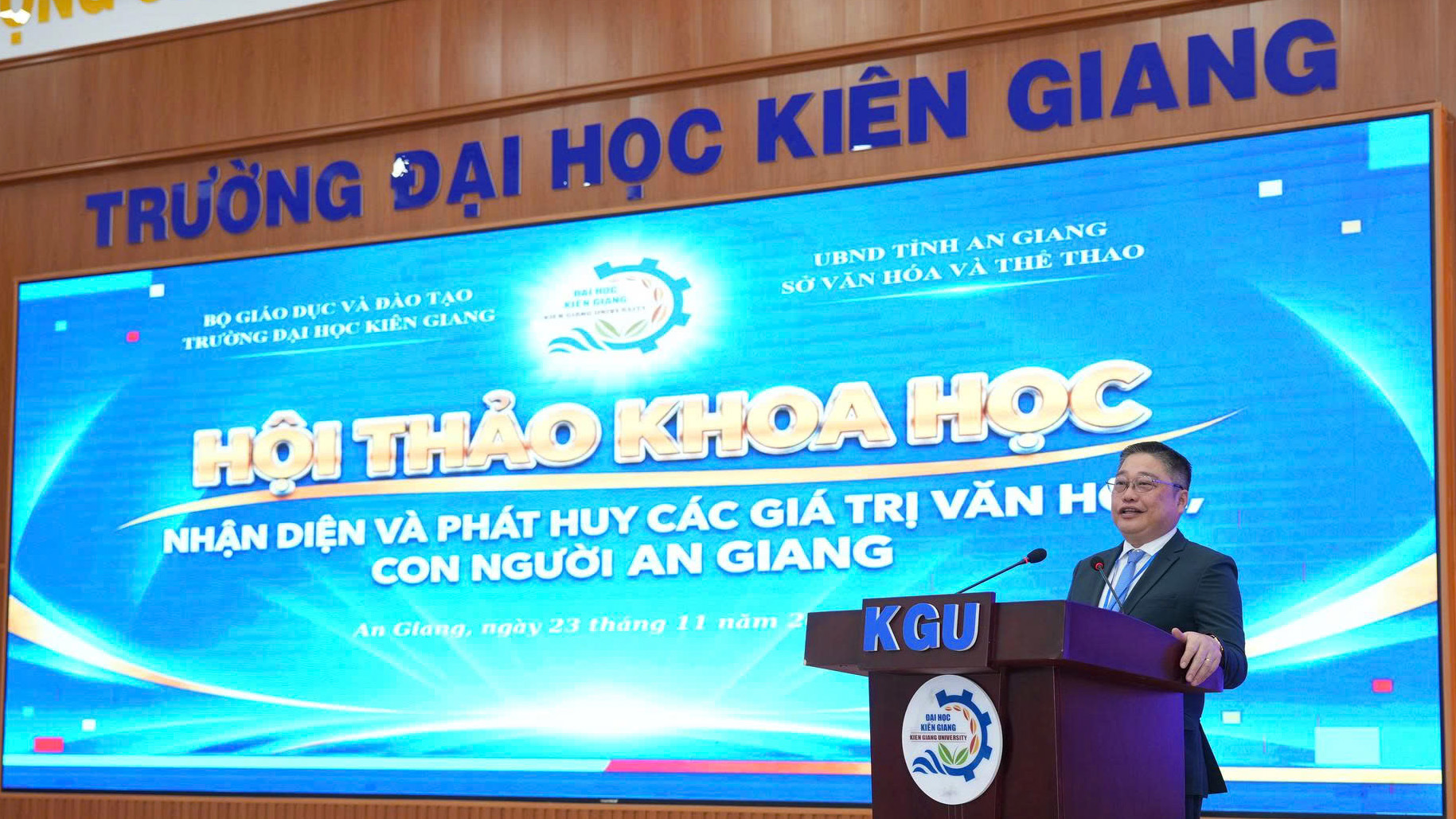
In his introductory presentation, Dr. Nguyen Huu Tho, Rector of Kien Giang University, argued that the need to identify and promote cultural and human values has become increasingly urgent as An Giang enters a new development space—one formed through the integration of the administrative boundaries and development spheres of An Giang and Kien Giang provinces.
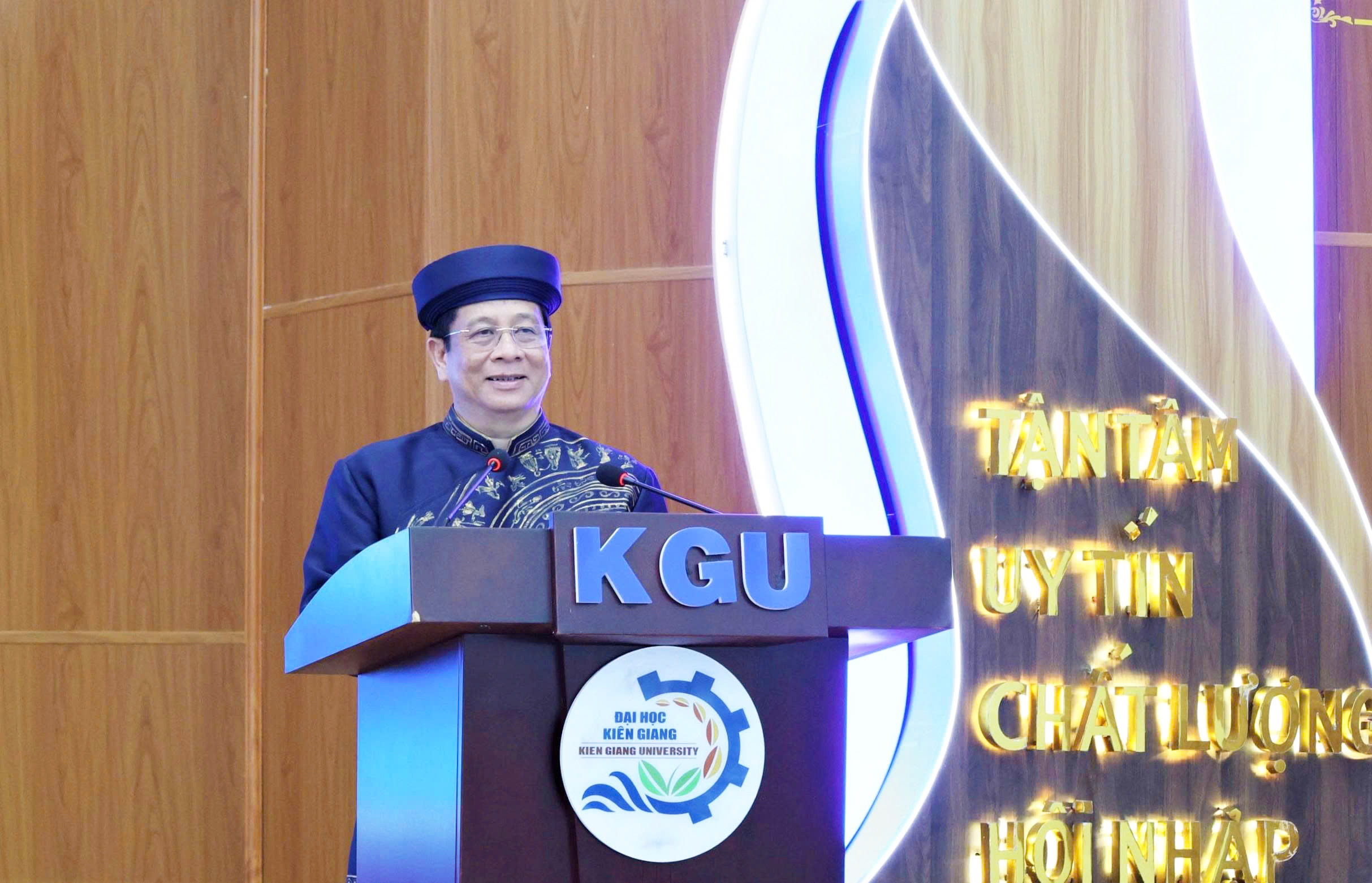
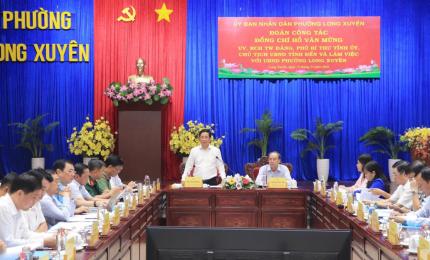
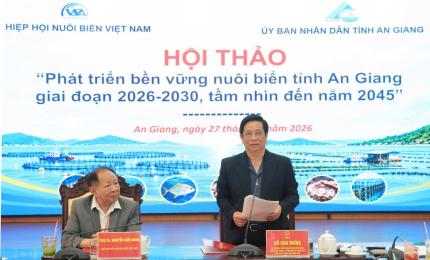
Speaking at the seminar, Chairman of the Provincial People’s Committee Ho Van Mung highly commended the organization of the event and acknowledged the dedicated contributions of the scientists and experts.
The Chairman of the Provincial People’s Committee emphasized that the presentations go beyond mere academic research; they also serve to strengthen the theoretical and practical foundations for local cultural development in this new phase. Alongside the province’s heritage, the quintessential qualities of the people of An Giang—patriotism, solidarity, compassion, diligence, creativity, resilience, generosity, and tolerance—are recognized as vital endogenous resources. These must be preserved and promoted in the spirit of the Politburo’s Resolution 80, with the ultimate goal of building an increasingly prosperous and happy province.
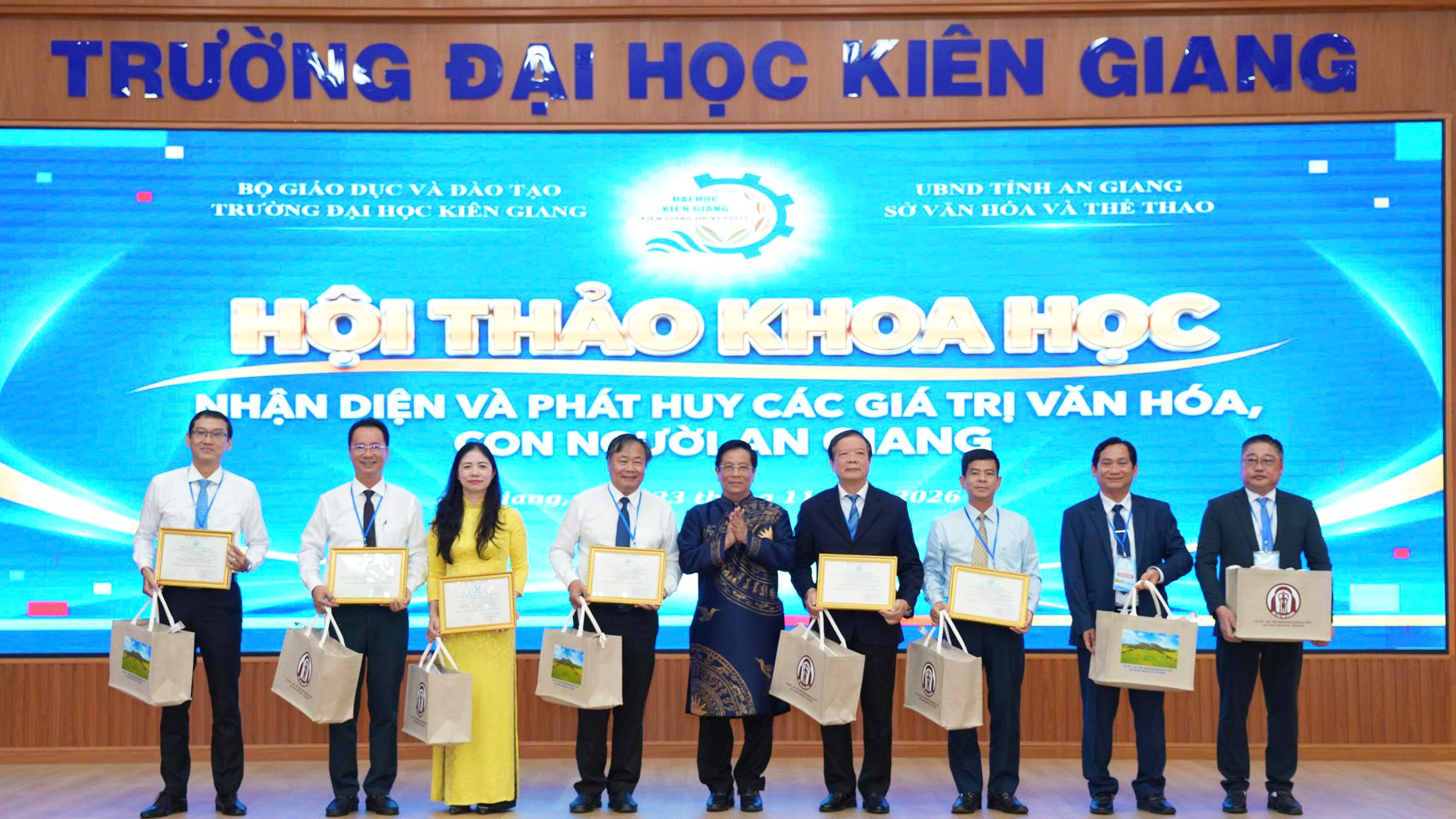
Chairman of the Provincial People's Committee Ho Van Mung has tasked relevant departments and agencies with fully noting and incorporating the contributions from experts and scientists. Key directives include: developing a database on the culture and people of An Giang; fostering cultural industries rooted in local identity; concretizing the seminar’s outcomes into concrete action plans; and intensifying outreach efforts to flexibly adapt mindsets, lifestyles, and cultural traits in alignment with An Giang’s new development requirements.
To ensure that the scientific solutions discussed at the seminar are promptly applied in real-life settings, delegates proposed a model based on close collaboration among four key stakeholders: State regulatory authorities, Educational and research institutions, Businesses, and the Local community.
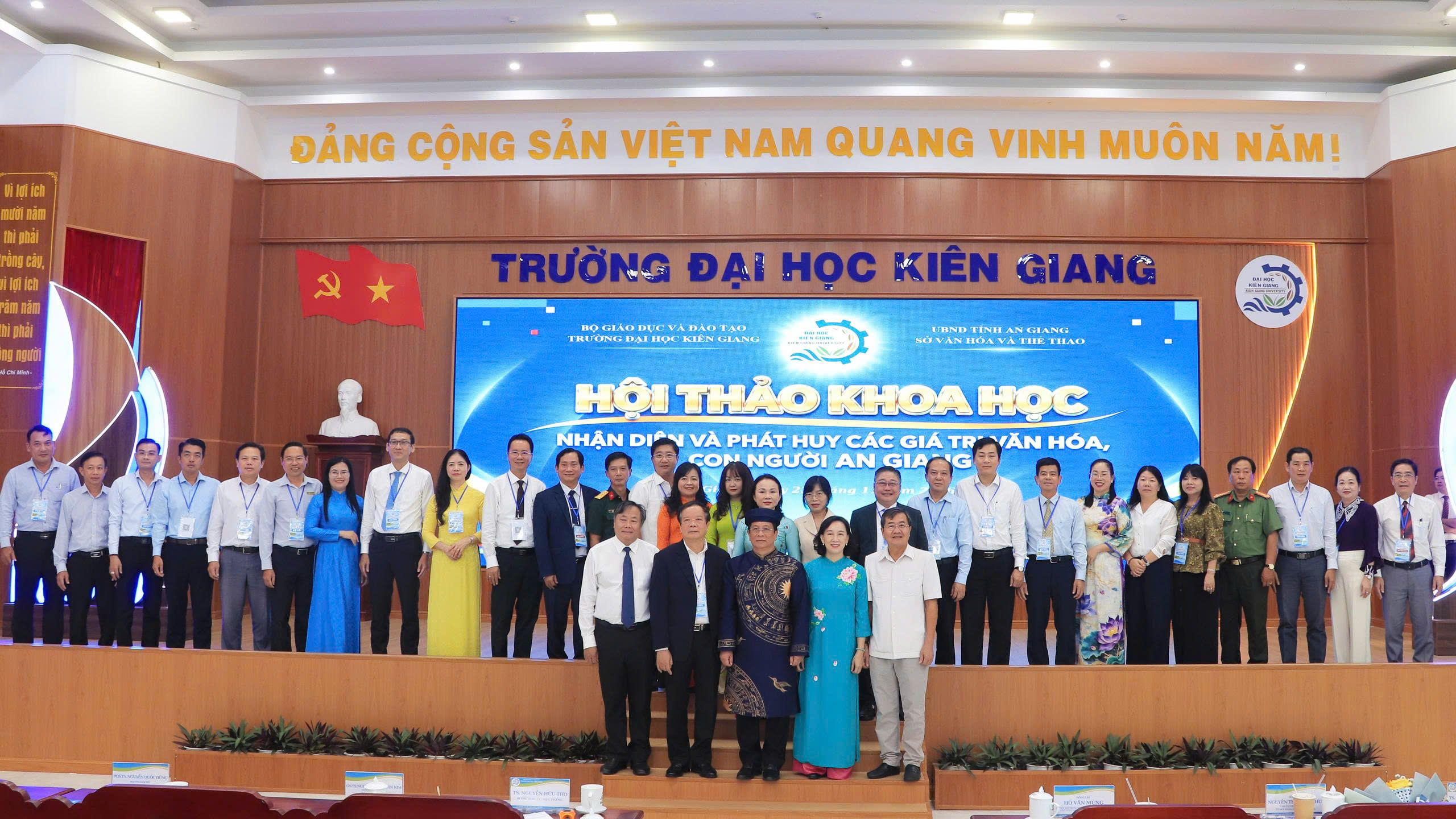
Reporter: NHU NGOC
Translator: THI HUYNH